
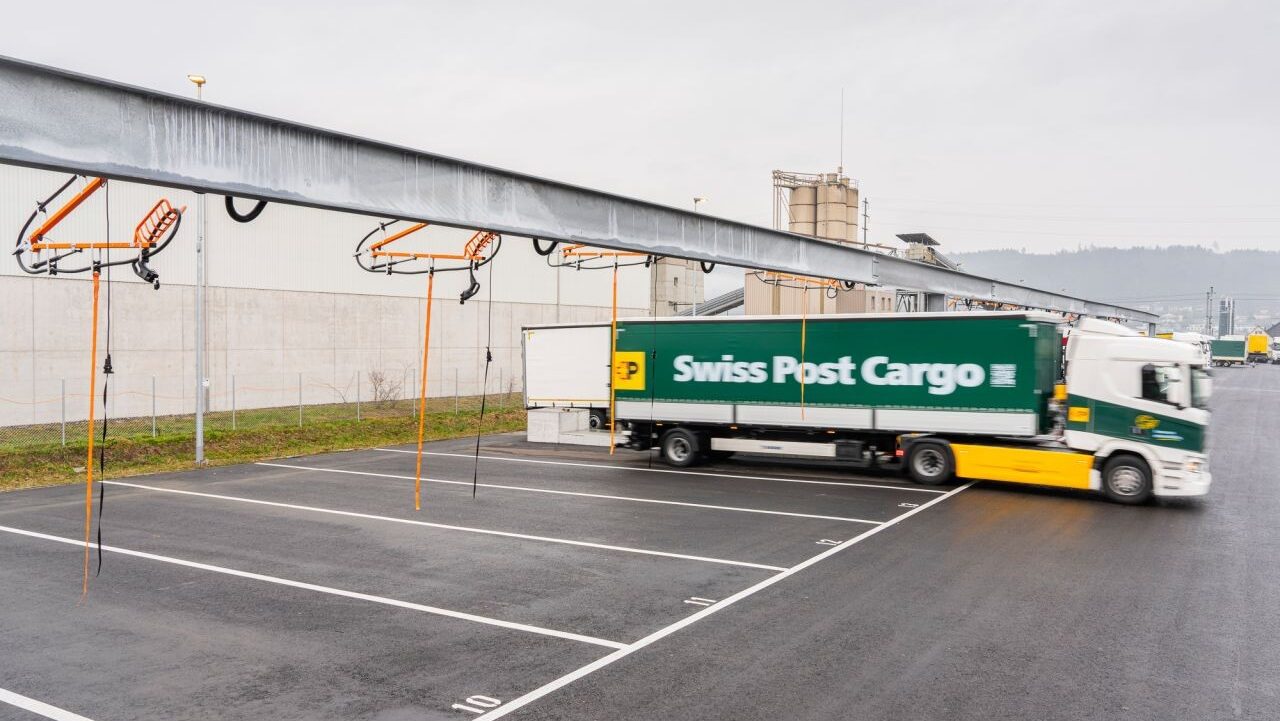
Innovative charging facility for Post commercial vehicles
Apr 30, 2026 at 1:04 PM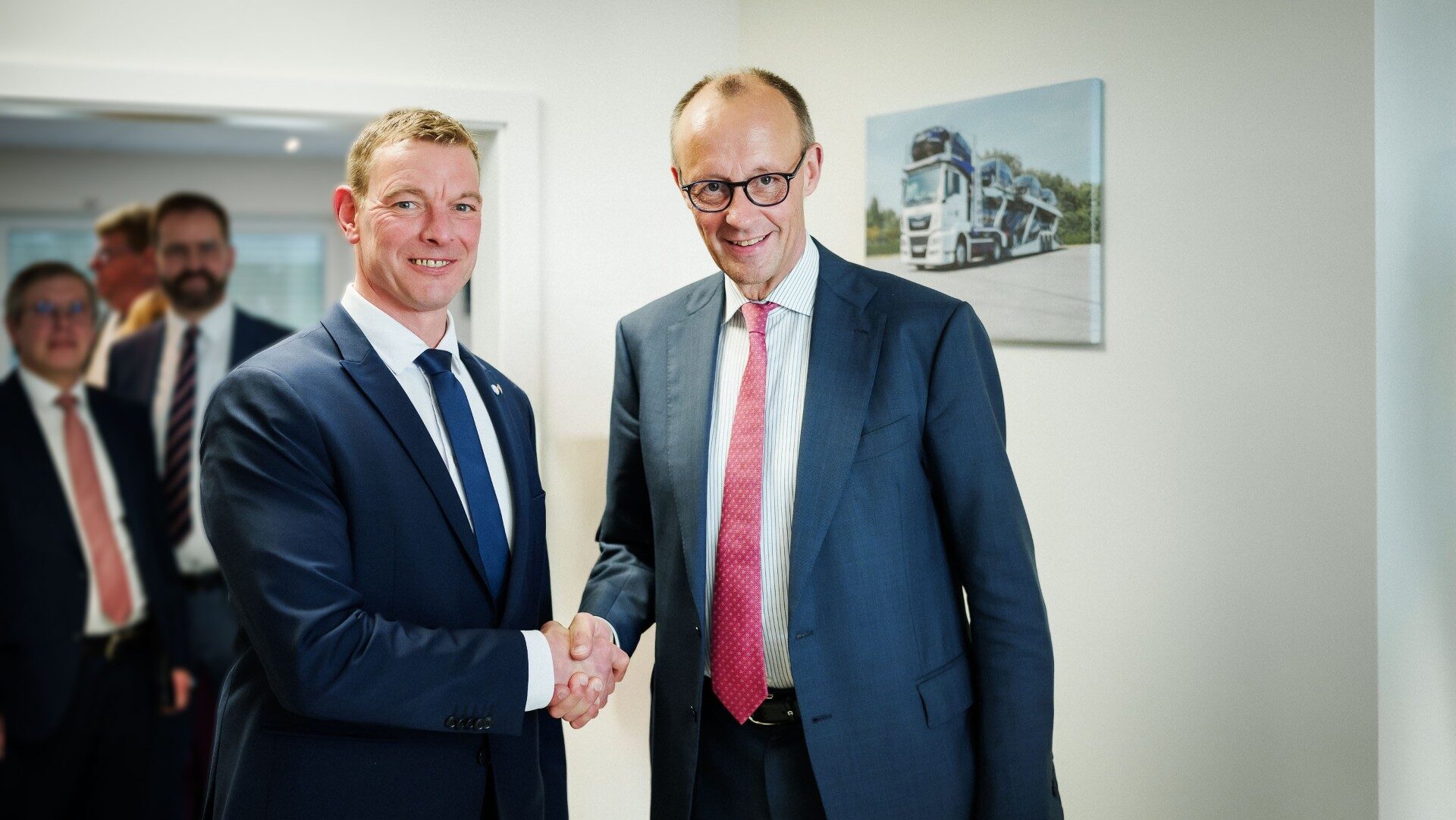
Chancellor Friedrich Merz visits Akkermann Transporte
May 1, 2026 at 3:18 PM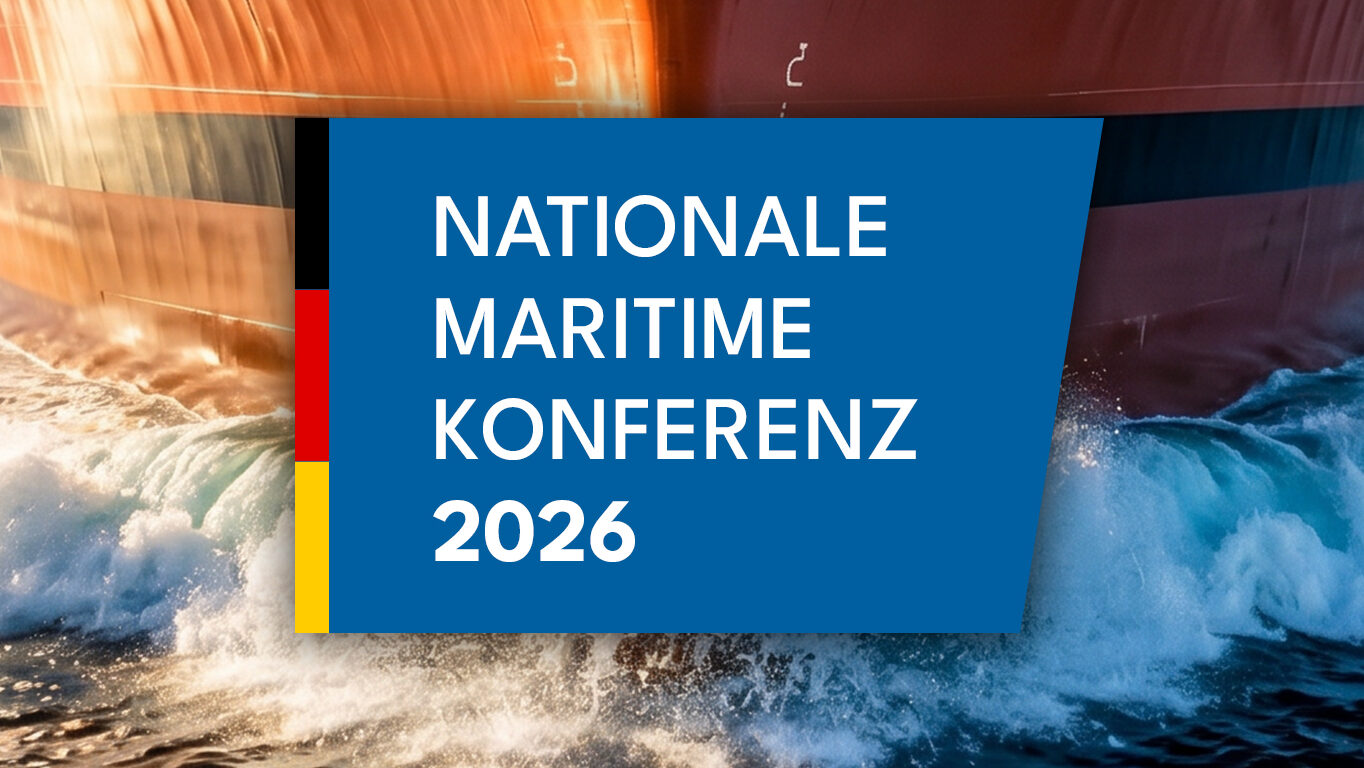
The international shipping industry plays a crucial role in the economy and supply of Germany. Approximately 90% of global trade and about two-thirds of German foreign trade are conducted via maritime routes. In times of crisis, shipping is also essential for the transport of military equipment and humanitarian aid. Against this backdrop, representatives from politics, business, and labor discussed the strengthening of maritime resilience and competitiveness in times of geopolitical tensions at the industry forum of the Association of German Shipowners (VDR) during the National Maritime Conference (NMK) in Emden.
Strengthening Maritime Infrastructure
Gaby Bornheim, President of the VDR, emphasized the necessity of a strong merchant fleet and competitive framework conditions to ensure Germany’s supply security. „The commitment to safe and free shipping is essential for Germany. Our economy and our supply depend significantly on functioning maritime supply chains,“ said Bornheim. To increase the resilience of shipping, a larger national workforce is required. The number of newcomers to the maritime industry has already risen to 537 in 2023, representing an increase of nearly 30% and the highest level in over ten years. The VDR proposes introducing a voluntary maritime service as part of the new military service to facilitate young people’s entry into shipping and to build a civilian maritime reserve.
Christian Hirte, Parliamentary State Secretary at the Federal Ministry of Transport, pointed out that the federal government is specifically strengthening the resilience of maritime supply chains and investing in the training of maritime talent. „Efficient ports, modern waterways, and a reliable maritime infrastructure are closely linked to economic stability, security, and strategic capability,“ explained Hirte.
Maritime Resilience as Location Policy
Melanie Leonhard, Senator for Economic Affairs, Labor, and Innovation of the Free and Hanseatic City of Hamburg, underscored the importance of the Port of Hamburg for shipping, especially in times of crisis. She emphasized that maritime resilience is concrete location policy that helps maintain stable supply chains and thus secures prosperity and stability in Germany. Rolf Habben Jansen, CEO of Hapag-Lloyd, added that shipping today is more than ever in the tension field of geopolitical developments. A strong merchant fleet and competitive framework conditions are crucial for economic stability and supply security in Germany and Europe.
Uwe Schmidt, Member of the German Bundestag, highlighted that investments in the training of nautical personnel are essential for safety. Proposals such as a voluntary maritime service could help create the personnel depth necessary for reliable shipping. Dennis Dacke, Federal Group Leader for Air Traffic and Maritime Economy at ver.di, emphasized that without good working conditions and co-determination, resilient shipping is not possible. He called for binding minimum standards for working and rest times on board, as well as consistent monitoring of flag states.
Captain Sebastian Dießner, President of the Association of German Captains and Ship Officers (VDKS), pointed out that a long-term professional perspective for skilled workers is necessary to secure expertise in shipping.
The discussion highlighted that shipping goes far beyond its economic significance and is a central component of the security policy infrastructure of Germany and Europe. Attacks on merchant ships and hybrid threats such as cyberattacks significantly increase the risks for the industry.
Conclusion and Outlook
In conclusion, Christoph Ploß, Coordinator of the Federal Government for Maritime Economy and Tourism, emphasized the essential role of a strong maritime economy for Germany. The federal government is working to strengthen the competitiveness of shipping companies, among other things, by expanding the tonnage tax. The National Maritime Conference (NMK) serves as a central dialogue format for the federal government with the maritime industry and regularly brings together stakeholders from politics, business, and trade unions to set strategic directions for the future of the maritime economy.