
duisport achieves a positive overall result in 2025
Apr 21, 2026 at 4:15 PM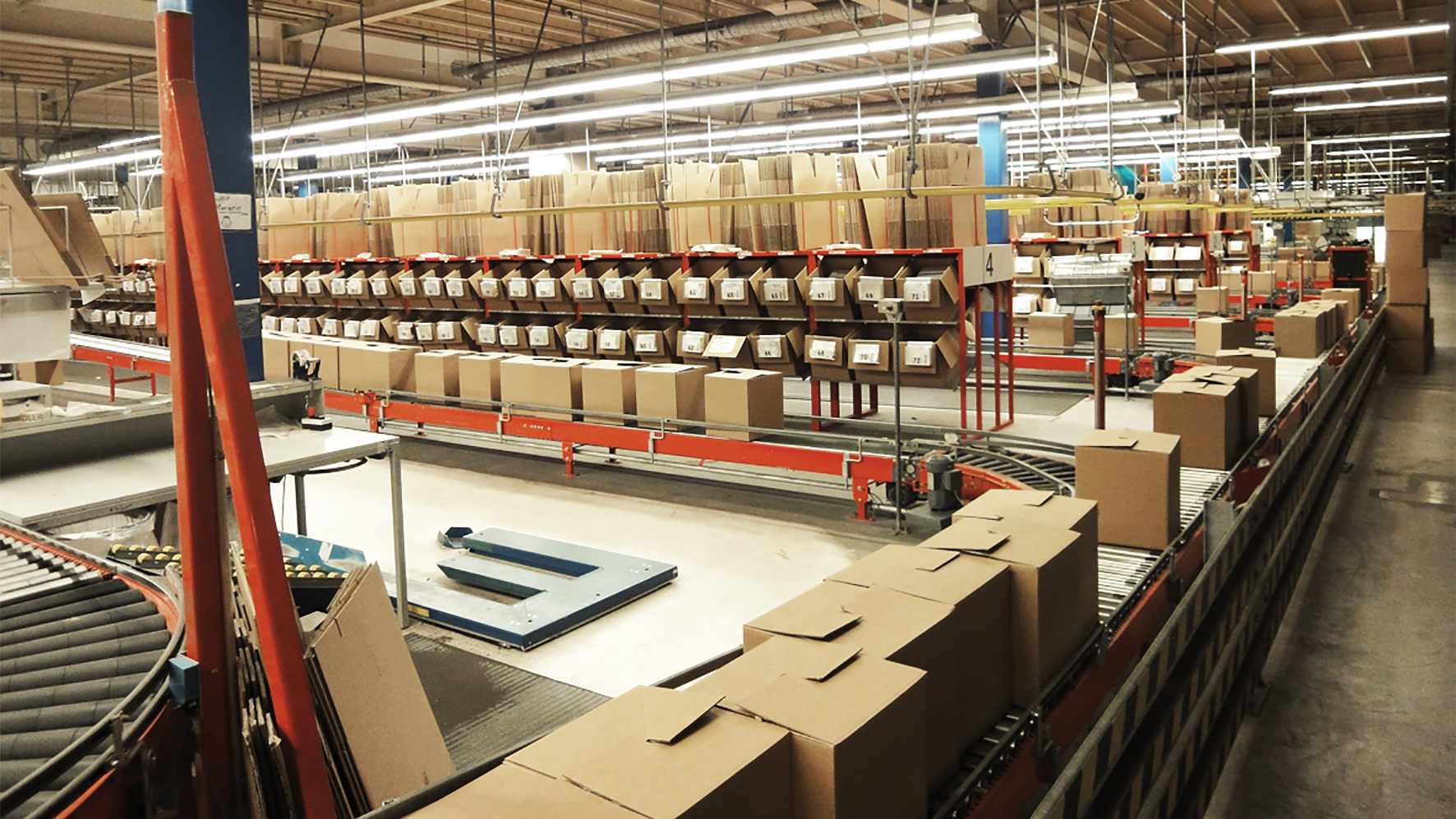
New Construction Volume in the Logistics Market 2025
Apr 21, 2026 at 5:51 PM
The European parcel logistics market is undergoing a phase of consolidation characterized by changing competitive conditions and increasing demands for infrastructure and efficiency. According to Rico Back, Managing Partner of SKR Beteiligungs AG, growth alone is no longer sufficient to sustain business models. „Competition will increasingly be determined by scaling, network effects, and infrastructure,“ explains Back.
In recent years, many parcel markets experienced extraordinary growth rates during the pandemic. However, this momentum has normalized after 2022. In Germany, moderate growth of about two percent in the parcel market is projected for 2025, as reported by the industry association BPEX. The previously strong volume growth had long masked rising costs, but with the normalization of the markets, the competitive conditions are fundamentally changing. Efficiency, network density, and reach are becoming increasingly important.
„Many providers are now realizing that their business model is no longer viable under the new market conditions,“ says Back. The challenges associated with rising costs and higher demands can no longer be compensated for by previous growth.
Consolidation as a Response to New Market Conditions
Since 2025, a clear pattern has emerged in European parcel logistics, characterized by various forms of mergers. Examples include the merger of Evri with DHL eCommerce UK in October 2025, the entry of FedEx and Advent into InPost in February 2026, and a joint venture between DHL eCommerce and CTT on the Iberian Peninsula, which is expected to be finalized in May 2026. „These are not isolated cases,“ emphasizes Back. „Many companies are currently consolidating because the pressure is noticeably increasing.“
The consolidation is driven by several factors. The establishment of infrastructure such as parcel stations and automated networks is so capital-intensive that many providers can hardly manage it alone. Additionally, regulatory requirements, digitization, and fleet conversions are increasing fixed costs, making economies of scale a crucial competitive factor.
Additional pressure is created by large platforms like Amazon, which continue to expand their delivery structures and increasingly handle volume themselves. At the same time, shipment volumes are growing due to new e-commerce platforms like Temu or Shein, often with lower margins and higher operational demands. „Without size, it is hardly economically feasible to meet the increasing demands for infrastructure, technology, and efficiency,“ says Back.
Challenges for Smaller Providers
Providers without sufficient size and network coverage find themselves in a difficult position. They are often too large for specialized niches but too small to realize true economies of scale. „For many of these providers, the question is no longer whether they want to grow – but whether they can still grow under the current conditions,“ explains Back.
SKR Beteiligungs AG believes that the consolidation is just beginning. The coming years are likely to be marked by further mergers, acquisitions, and strategic partnerships. „Providers that cannot scale sufficiently or position themselves clearly in the market are particularly under pressure,“ says Back. „In the end, those who will prevail are either the ones with size or a clear profile.“