
ThielemannGroup expands stake in RECHT Logistik
Jun 1, 2026 at 11:54 AM
Schmitz Cargobull increases stake in Freighter Group
Jun 1, 2026 at 12:18 PM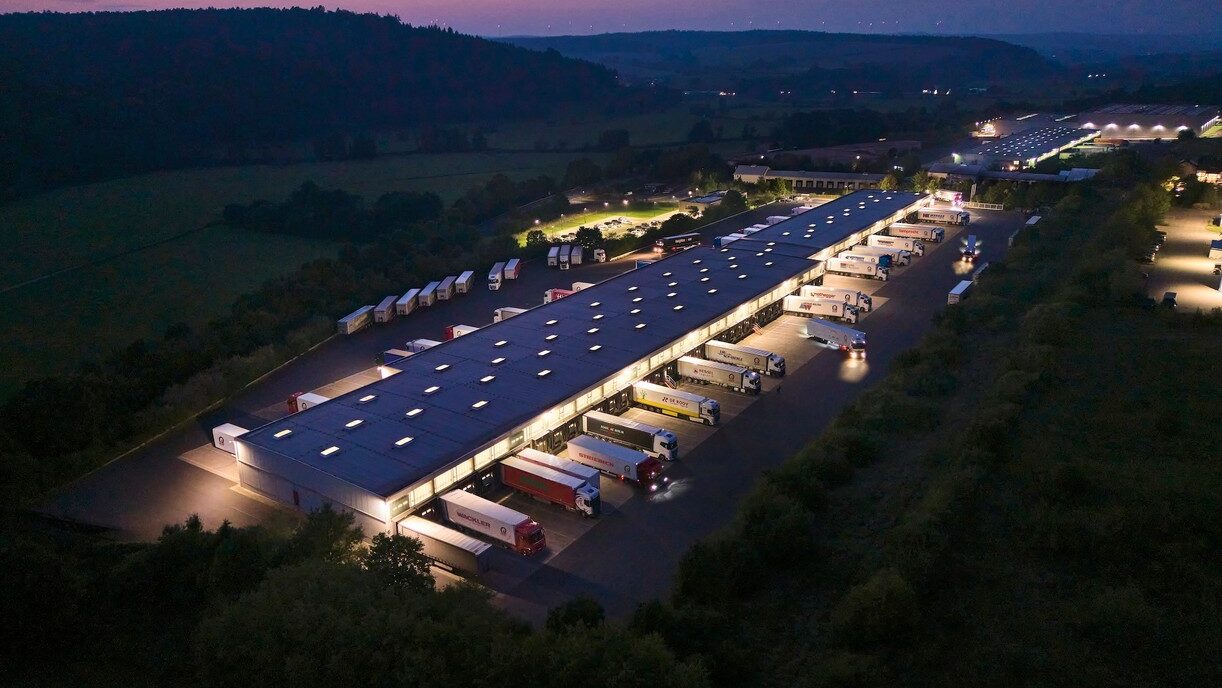
The ISO 14083 standard for the uniform accounting of greenhouse gas emissions in the transport sector was published in 2023. Online Systemlogistik (OSL) has successfully completed the associated verification process and can now demonstrate compliance with this new standard. According to Marcella Rennecke, project manager for sustainability at OSL, the company is the first groupage cooperation in Germany to undergo this verification. The official certificate was issued on April 30.
New Standards in Emission Measurement
ISO 14083 replaces DIN EN ISO 16258 from 2013 and expands the scope to multimodal, global transport chains. Unlike its predecessor, the new standard considers not only the emissions of all transport modes but also the emissions at the hubs. Reductions from greenhouse gas emissions trading are not included.
To calculate and evaluate the emissions of all OSL partners according to ISO 14083, the company uses the sustainability management platform from pacemaker.ai. This platform enables compliant recording and evaluation of emissions required for verification by a neutral testing company.
The verification process of OSL is based on real, collected data. Starting in early 2025, OSL will provide all emission data from its partners and shipments transported through the hub traffic on the pacemaker.ai platform for evaluation. An independent testing company will verify the data from ten OSL partners between October 1 and 31, 2025. It will check whether the recorded data matches the transmitted data. The results show that all requirements of the new standard are met.
Transparent Data Collection
OSL places great importance on using real data instead of averages. To accurately calculate greenhouse gas emissions at the shipment level, the master data of all partner vehicles has been collected. This includes vehicle type, permissible total weight, and fuel used, such as gasoline, CNG, diesel, LNG/bio-LNG, and electricity/green electricity. This data is stored on the pacemaker.ai platform and includes all main routes between the 101 OSL partners and the central hub in Schlitz, as well as between the partners and the regional hubs. CO2 emissions at the hubs are also recorded, including vehicle consumption and various hub activities.
Future Developments
The verification process according to ISO 14083 is planned to be conducted annually in the future. Next year, it is planned to include the emissions from pre- and post-hauls as well as from the hub buildings in the process. These aspects were initially not considered for organizational reasons. The emission recording based on real and regularly updated vehicle and fuel data allows all OSL partners to utilize comparative metrics. This data serves as a starting point to reduce fossil fuel consumption and the associated greenhouse gas emissions across the entire OSL network. Additionally, all partner companies have the opportunity to use the tool from pacemaker.ai for their own emission measurement and sustainability reporting.