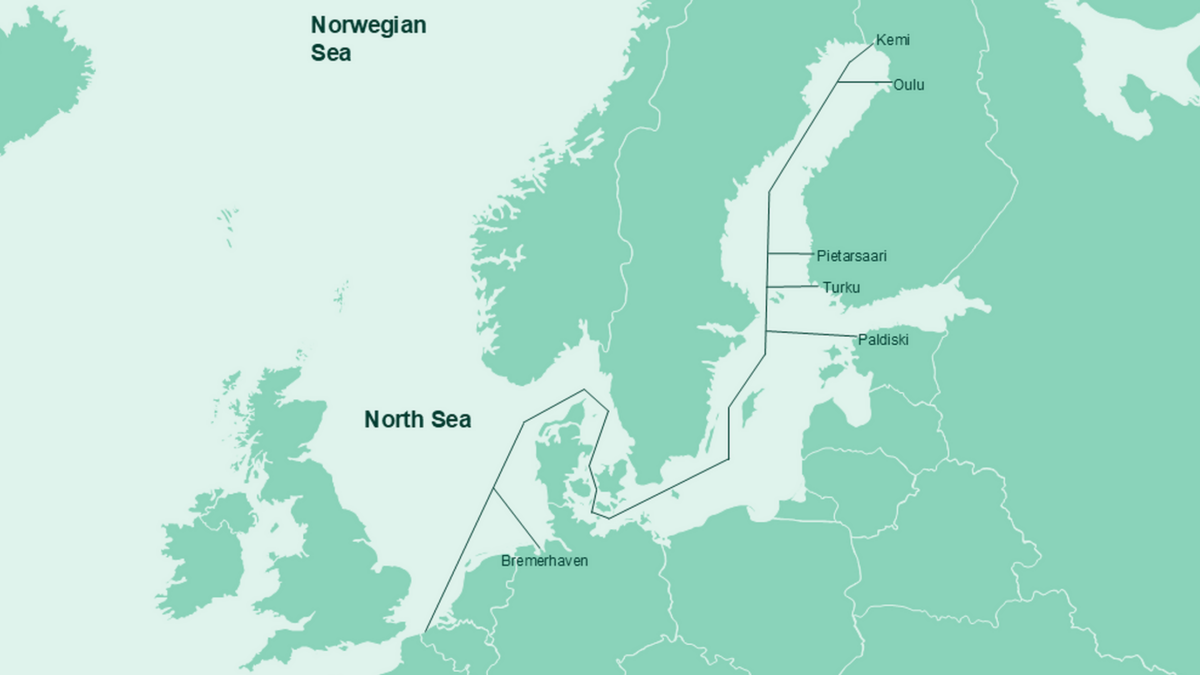

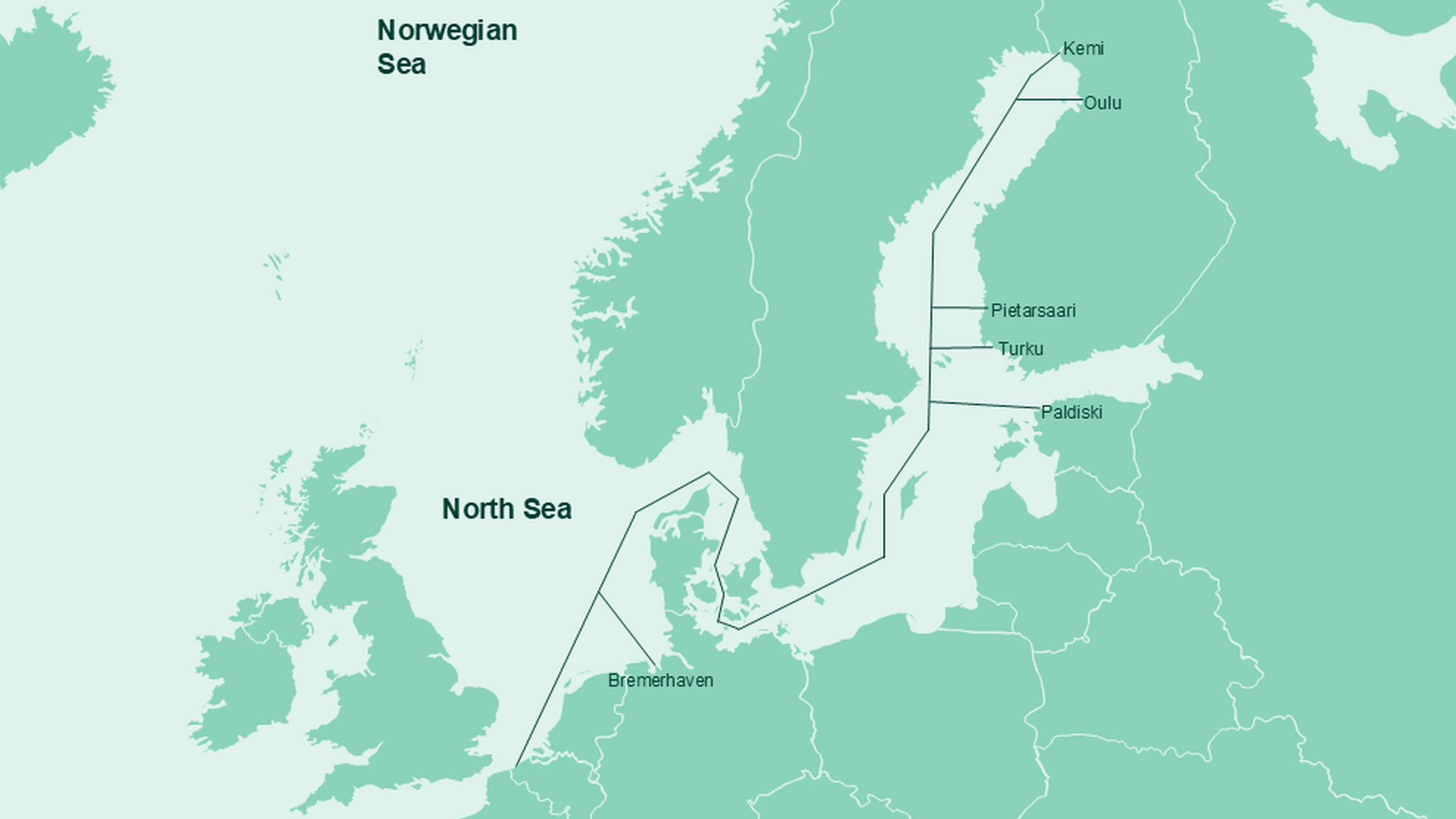
Wallenius Wilhelmsen expands services in the North
Jun 1, 2026 at 2:44 PM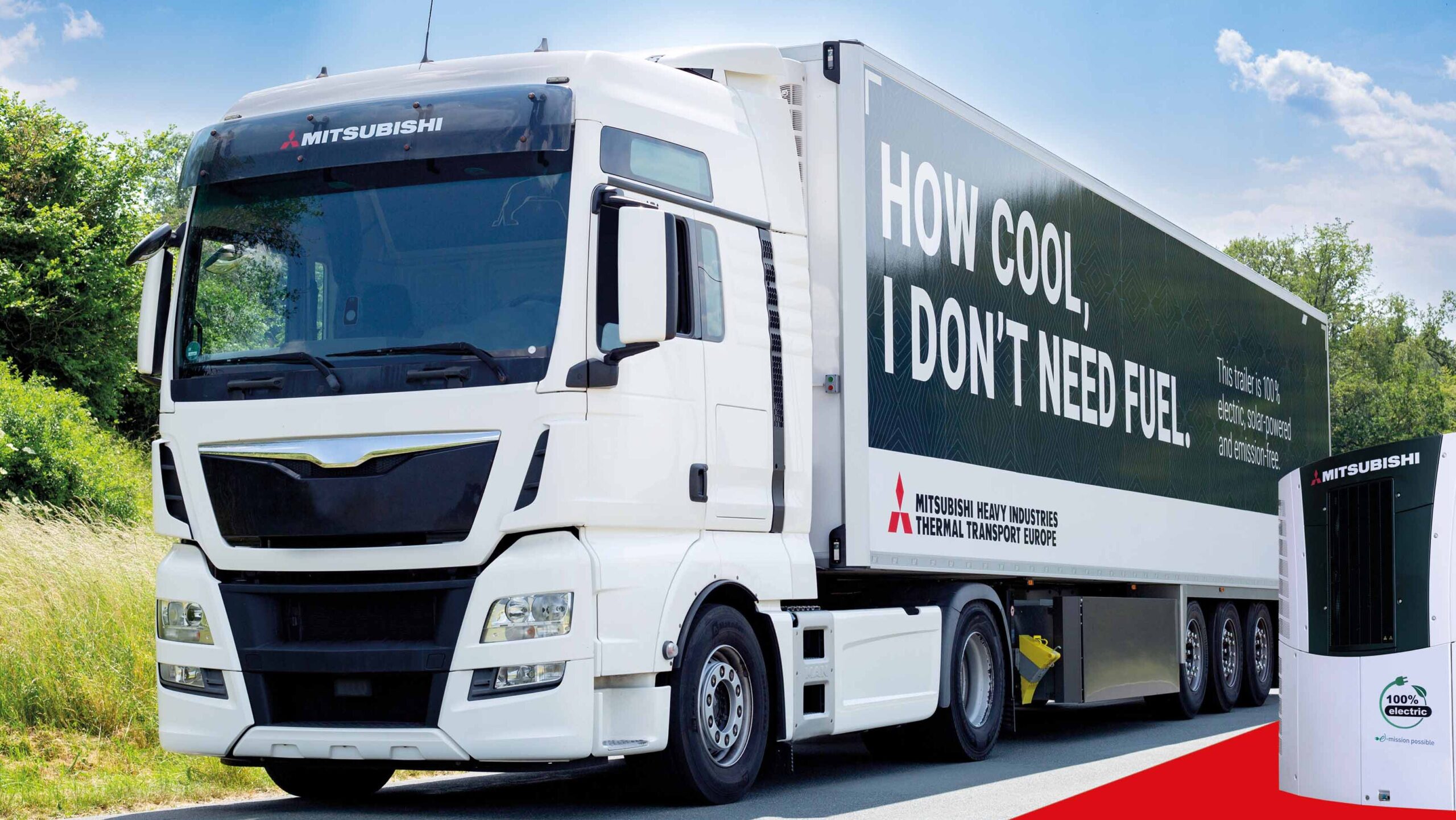
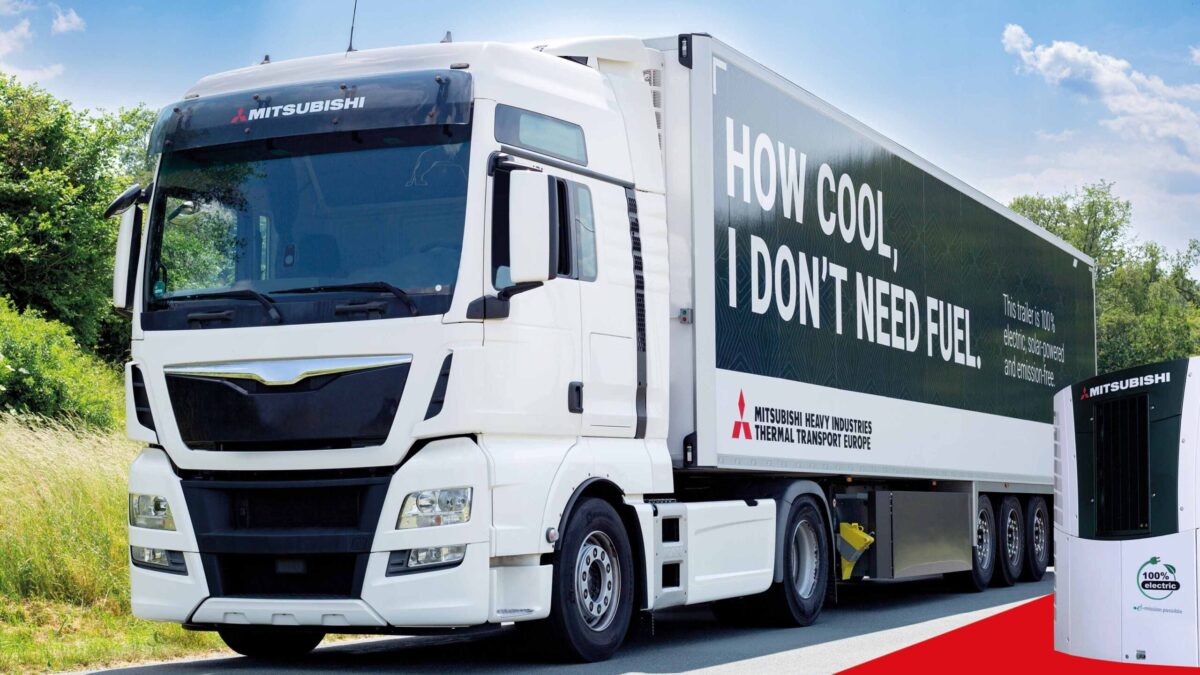
MTTE presents cooling units in Osnabrück
Jun 1, 2026 at 4:55 PM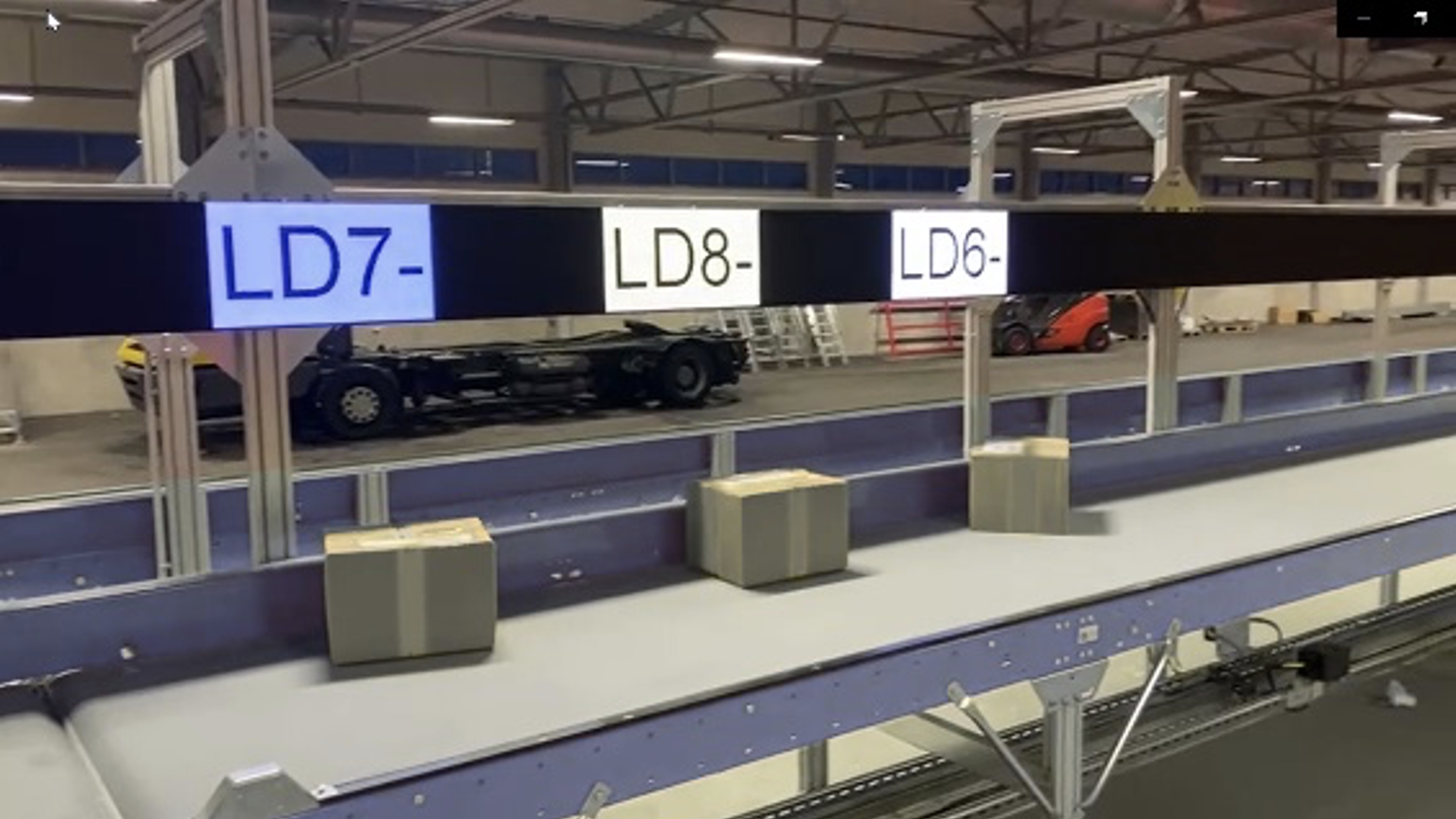
The current nationwide customs checks on parcel services draw attention to a long-standing issue in the logistics industry: unpaid working hours in depot operations. In particular, the times for pre-sorting, waiting for loading, and tour preparation are the focus of regulatory inspections.
Although many drivers formally receive the statutory minimum wage, in practice, there are often tasks that are not fully compensated. However, these tasks are considered working time according to the rulings of the European Court of Justice (ECJ). At the same time, many transport companies face significant economic pressure. Tight time windows, high parcel volumes, and historically grown processes complicate efficient operations in the depots.
Organizational Challenges in Logistics
The issue is not only of a legal nature but also organizational. The central question is: How can pre-sorting and loading be made more efficient without further burdening the companies‘ profitability?
A possible solution is offered by the patented pre-sort solution „APF van line+“ from AMETRAS vision GmbH. This pick-by-light system optimizes the pre-sorting process in the hall and significantly reduces the time required before the start of the tour.
The system replaces traditional handheld scanners at the conveyor belt. Relevant parcel information such as delivery district, tour number, or weight is displayed on an LED strip above the parcel belt. A key feature is that the light indicators move in sync with the respective parcel on the conveyor belt. This allows parcels to be pre-sorted more quickly and accurately.
Benefits for All Parties Involved
The accelerated pre-sorting brings concrete benefits for drivers and entrepreneurs alike. Drivers benefit from reduced time spent before the start of the tour, faster loadings, and thus earlier departures. This leads to more time for the actual delivery. For entrepreneurs, this means more efficient processes and higher productivity on the road rather than in the hall.
Moreover, digitalization in logistics not only promotes efficiency but can also contribute to fair working conditions. Current developments show that modern process solutions are increasingly capable of creating fair and sustainable working conditions in parcel logistics.
In light of growing regulatory requirements, technologies that connect profitability and fair working time models are gaining importance. More efficient processes help reduce unpaid waiting times while strengthening the competitiveness of transport companies.
The goal of achieving more profitability instead of unpaid waiting times is becoming increasingly important for the future of parcel logistics.
Source: PresseBox