
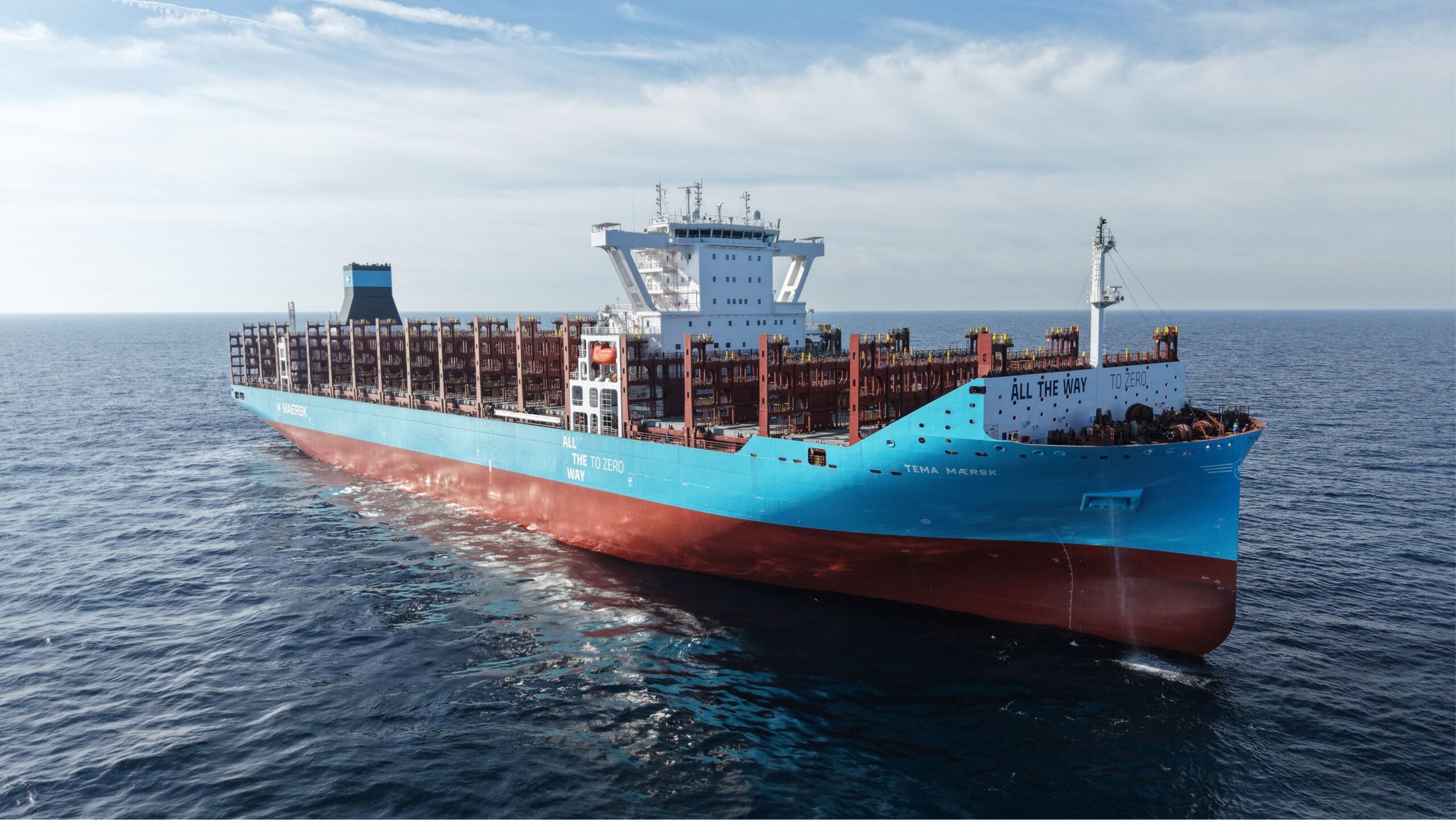
Maersk takes delivery of a dual-fuel vessel with propulsion from WinGD
Jun 1, 2026 at 7:35 AM
deugro: Kasper Heiselberg for fresh air
Jun 1, 2026 at 9:02 AM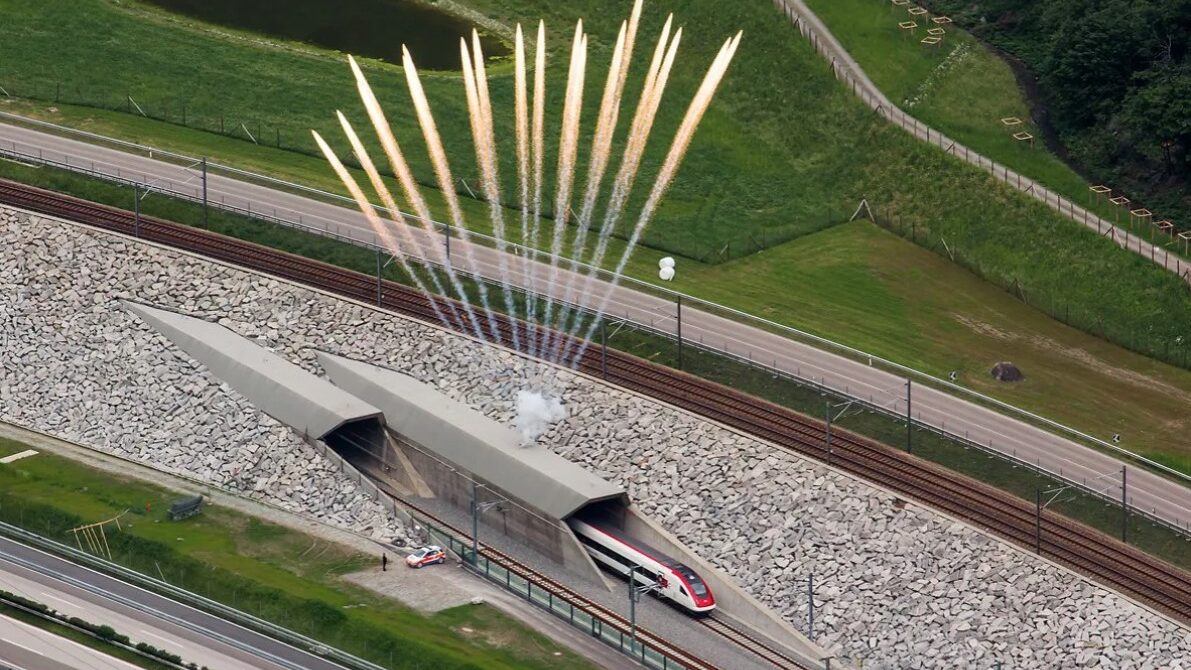
On June 1, 2016, the Gotthard Base Tunnel (GBT) was inaugurated, which, at a length of 57 kilometers, remains the longest railway tunnel in the world. Since its opening, the tunnel has significantly transformed the north-south connections in Switzerland and Europe, particularly on the freight transport axis from Genoa to Rotterdam. Together with the Ceneri Base Tunnel, which was put into operation in 2020, and the Lötschberg Base Tunnel, the GBT forms the central element of the New Railway Alpine Transversal (NEAT). The tunnel has set benchmarks in innovation, precision, and reliability, enabling a flatter route through the Alps, contributing to more efficient transport.
Facts and Figures about Tunnel Operations
Since its opening, over 276,000 freight trains and 169,000 passenger trains have traveled through the Gotthard Base Tunnel. Vincent Ducrot, CEO of SBB, commented on the occasion of the tenth anniversary: “Today, I would like to thank everyone who contributed to the construction of this monumental project. The tunnel has transformed alpine-crossing traffic in the last ten years and strengthened the European north-south axis.”
The commissioning of the Ceneri Base Tunnel has further improved the connection between northern and southern Europe. Travel times in Ticino have been significantly reduced with the introduction of a new S-Bahn, making the journey from Zurich to Lugano now take less than two hours. Demand for passenger transport on the Gotthard axis has nearly doubled, and for almost two years, a train has been running in both directions every 30 minutes. SBB adjusts capacities as needed to meet the increased demands, especially during holiday weekends.
Efficiency in Freight Transport
The NEAT has also optimized freight transport by providing a nearly flat route under the Alps. This allows for faster trains with more cars and heavier loads compared to the old mountain route. The transport volume on the Gotthard axis has increased, and the shift of freight transport from road to rail is being advanced. However, there is still potential for development, as only a portion of the capacity is currently utilized. Fully exploiting the capacities is crucial to intensify the shift in traffic and relieve road congestion.
The historic mountain route from 1882 remains significant as it secures regional connections. Approximately 1,400 passengers use the “Treni Gottardo” of the Südostbahn (SOB) daily. This panoramic route not only provides an alternative route during closures of the Gotthard Base Tunnel but also serves as a tourist attraction that can be explored with the Gotthard Panorama Express.
Investments in Infrastructure
To maintain the performance of the Gotthard Base Tunnel, SBB invests around 35 million Swiss francs annually in maintenance. The high traffic volume leads to brake wear and wear-related metal deposits, which are removed using robotic cleaning systems. Additionally, SBB continuously monitors the tracks and facilities with high-precision measuring instruments. In addition to nightly maintenance work every weekend, longer working periods are also required, such as for the tunnel radio, which is to be replaced by 2027. These measures are necessary to ensure that the tunnel continues to operate safely and smoothly in the future.