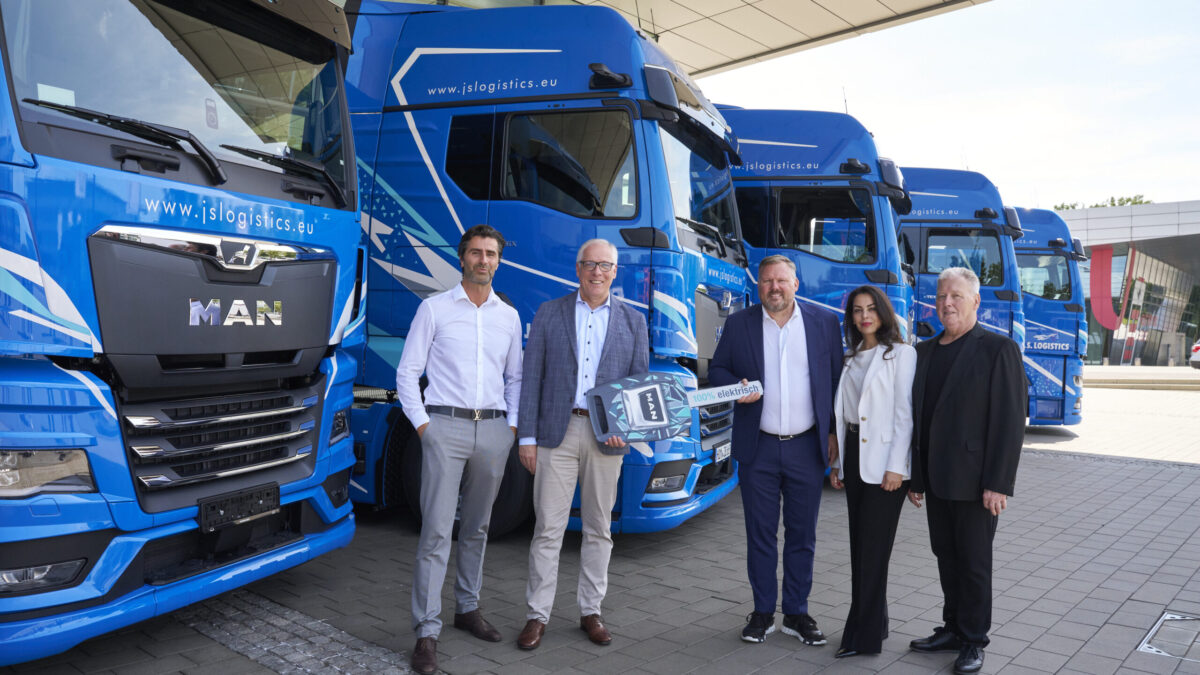

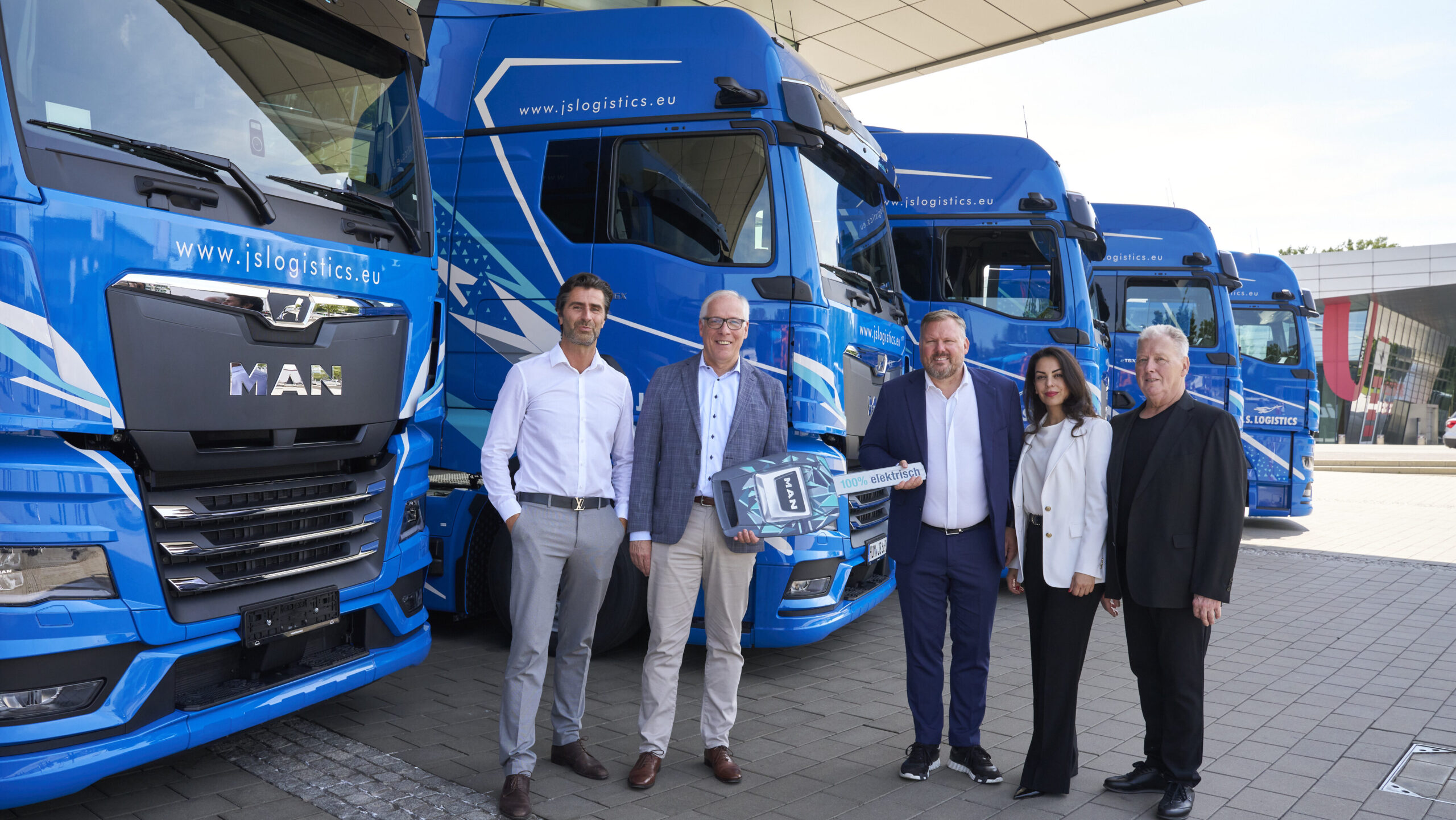
J.S. Logistics and MAN launch electromobility in Europe
Jul 3, 2026 at 1:50 PM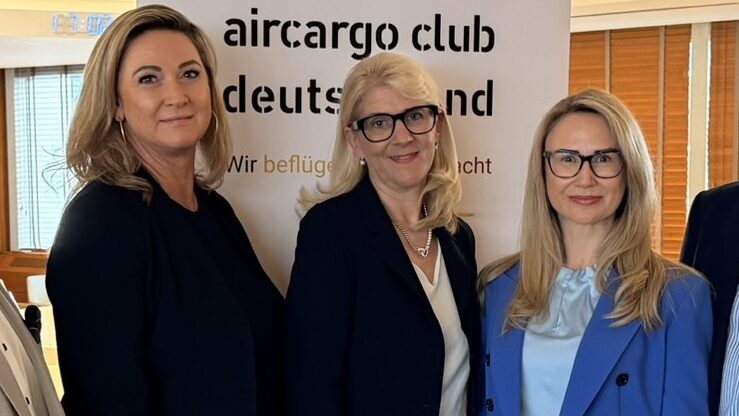
The air freight industry in Germany is facing significant challenges that threaten the efficiency and competitiveness of the location. During a forum of the aircargo club deutschland (acd), leading representatives of the industry discussed the issues arising from insufficient digitization, a lack of drivers, and obstacles to the introduction of electric trucks.
Digitization in air freight is lagging behind. Sarah Scheibe (l.), Managing Director of TCE (Total Cargo Expertise), emphasized the need for faster and more flexible processes. „When we talk about air freight, speed and flexibility are central factors. It is important that all partners act flexibly and have digital interfaces. This is still highly improvable and could save valuable time,“ she explained. This statement highlights that the industry has not yet reached the desired level in digital transformation.
Challenges from driver shortage and costs
Another central topic was the acute driver shortage, which further burdens the industry. Christine Reischl (M.), Managing Director of Georg Reischl Spedition, pointed out that the requirements for professional drivers have increased. „Today, a professional qualification is needed instead of just a driver’s license, which drives up the costs for aspiring professional drivers,“ she explained. This leads to rising costs for recruitment. Sarah Scheibe added that it is important not only to keep an eye on costs but also to find solutions to secure the competitiveness of the air freight location in Germany.
The discussion about the shift towards e-mobility showed that many companies are willing to position themselves more strongly. However, the challenges for implementation remain high. Electric trucks are expensive, and the necessary charging infrastructure is lacking in many areas. Nina Strippel (r.), Managing Director of Wallenborn Germany, noted that solutions are needed for time-critical international RFS traffic that operate reliably today. „Sustainability should not only be measured by the vehicle but also by utilization, empty trips, waiting times, fuel options, and planned networks,“ Strippel stated.
Political support requested
In the subsequent discussion, politics was called upon to involve the industry more in decision-making and to advocate for uniform regulations at the EU level. Prof. Dr. Christopher Stoller, President of the air cargo club Deutschland, emphasized the need not to unnecessarily burden RFS providers and the entire air freight chain. „The air freight location in Germany faces great challenges. For this, we need strong RFS providers, freight forwarders, and other stakeholders in the air freight chain who actively drive solutions and also receive the necessary political support to resolve the backlog,“ he added.
The discussion highlights that there is an urgent need for action to strengthen the competitiveness of the air freight location in Germany and to address the existing challenges.