

REYHER celebrates 20 years of the Logistics Initiative Hamburg
Jun 30, 2026 at 11:33 AM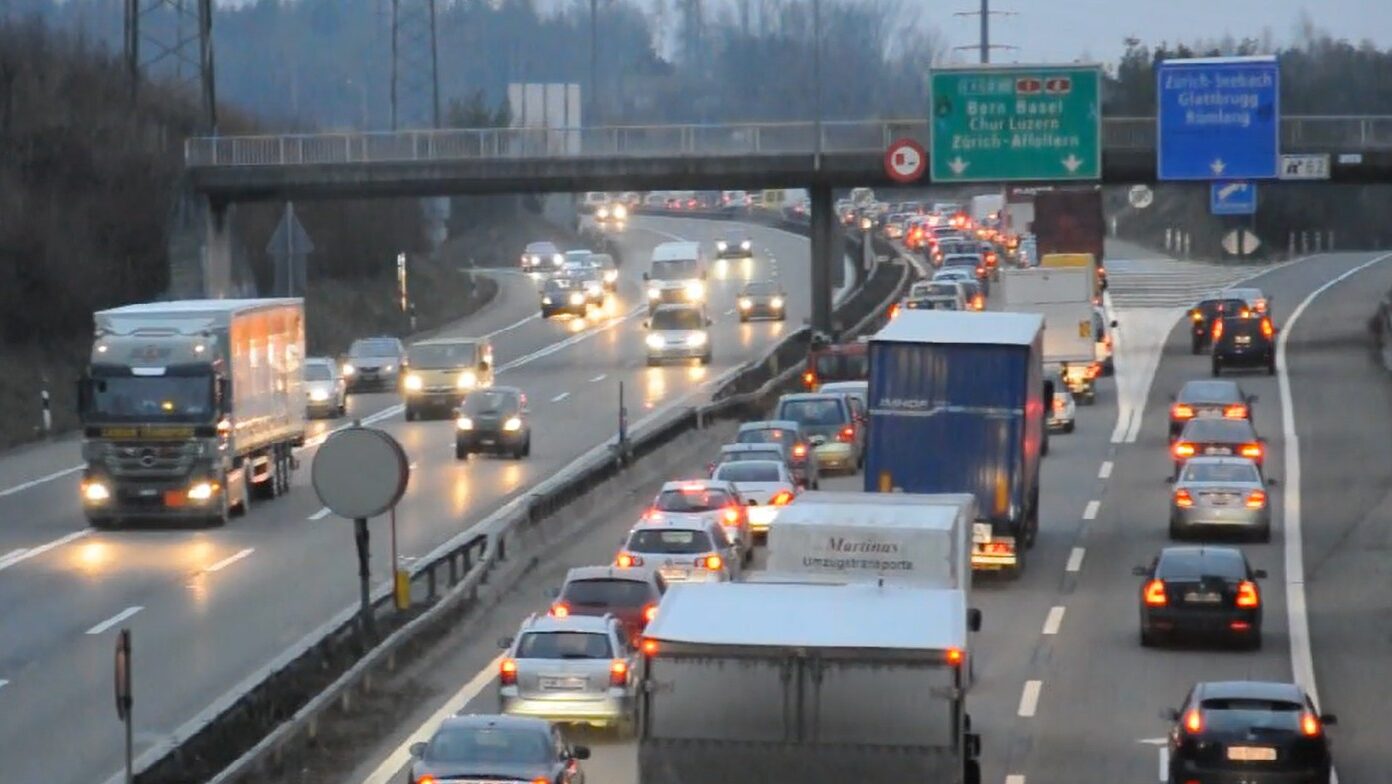
The Swiss Commercial Vehicle Association (ASTAG) expresses concern over the current traffic congestion figures published by the Federal Roads Office (ASTRA). According to these figures, traffic congestion in Switzerland has increased by 22.4% within a year, leading to a record high of over 68,040 hours of traffic jams. This development is classified as alarming, as it affects not only the main traffic routes but also other roads.
Increasing Traffic Congestion and Its Causes
The rise in traffic congestion is not attributed to construction sites or accidents, which account for less than 10% of the total congestion. Rather, the overload of the existing highway infrastructure is the main reason. According to ASTAG, 89.3% of traffic jams are caused by insufficient capacity on national roads. This situation has direct implications for the transport and supply sector, which relies on road traffic for over 82% of its operations in Switzerland. To maintain the usual quality and punctuality of deliveries, an increasing number of vehicles are required, leading to higher fuel consumption and greater vehicle wear.
Councilor and ASTAG Central President Thierry Burkart emphasizes that traffic jams have now become a significant cost factor for transport companies. The challenges in domestic transport are increasing, and the ability to handle longer routes within a day is becoming increasingly restricted. Burkart warns that the high quality and reliability of supply in Switzerland could be jeopardized in the medium term, as the road remains indispensable for the fine distribution of goods such as fresh produce and pharmaceuticals.
Urgency of National Road Expansion
Therefore, ASTAG calls for the swift implementation of the road projects outlined in the infrastructure package „Transport ’45.“ In particular, the expansion step for 2027, which includes the widening of two heavily trafficked sections of the A1 highway, is considered urgently necessary. These projects are already far advanced in planning and have support in the affected regions. ASTAG appeals to the Federal Council and Parliament to advance these initiatives without delay.
The opposition to the planned highway projects is viewed by ASTAG as incomprehensible. Burkart emphasizes that traffic must be considered as a complete system, which includes the road. A failure of these projects or a fundamental halt to the expansion could have serious consequences for supply security and prosperity in Switzerland.