
Bridgestone with Tips for Fuel Savings
Apr 16, 2026 at 1:25 PM
Automated Mobility Summit 2026 in Zurich
Apr 17, 2026 at 8:18 AM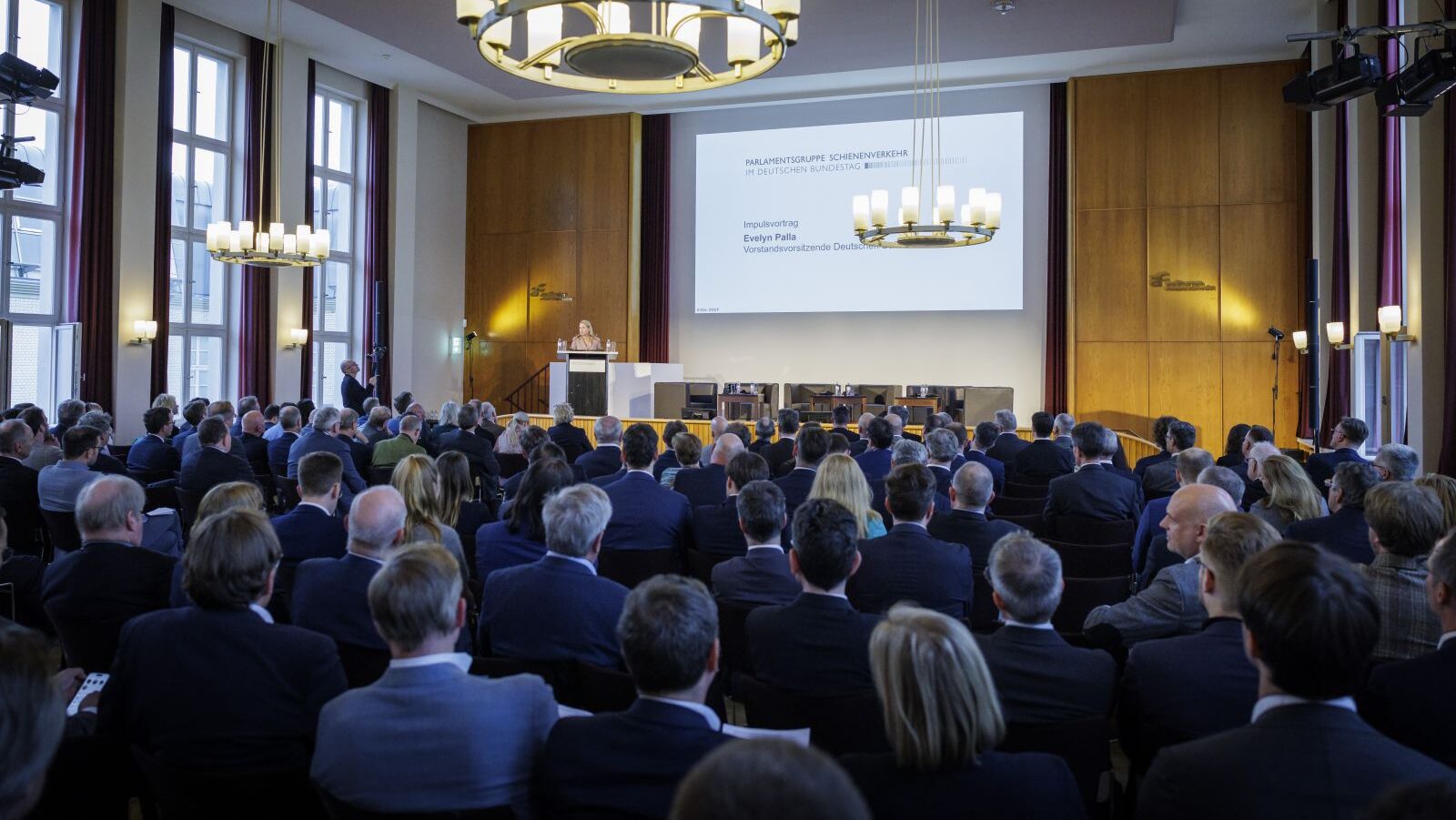
During an event organized by the Parliamentary Group for Rail Transport in the German Bundestag, Tarek Al-Wazir, Member of Parliament and Chairman of the Transport Committee, emphasized the central role of railways for the German economy. He pointed out that the rail network is not only overloaded but also in need of renovation. To restore the performance of the railways, various measures are necessary, including comprehensive renovation and a surge in investment. Al-Wazir noted that approximately 2.5 billion euros are allocated annually in the federal budget for new construction and expansion, which he believes is insufficient. He called for a correction in the use of funds from the special fund, which has a duration of 12 years, to ensure reliable financing for railways beyond this period.
Urgent Need for Action on Punctuality
Evelyn Palla, Chairwoman of Deutsche Bahn AG, underscored in her introductory statement the necessity for concrete improvements for passengers. She announced three immediate programs aimed at enhancing the travel experience. Palla referred to the concerning development of punctuality in long-distance transport, which has dropped from 82 percent in 2020 to 60 percent in 2025. She made it clear that, in addition to sufficient funding, profound changes are required to improve the quality of rail services. Palla estimated the investment backlog at 130 billion euros and emphasized that the railway is already implementing improvements in safety and cleanliness through immediate measures.
Andreas Gehlhaar, Head of the Railway Department at the Federal Ministry of Transport, spoke of a collective commitment to improving rail infrastructure. He emphasized that changes should not be viewed in isolation but must aim to increase customer satisfaction. Gehlhaar pointed out that a comprehensive approach is necessary, involving all stakeholders in rail transport.
Michael Donth, Member of Parliament and Deputy Chairman of the Parliamentary Group for Rail Transport, called for clear political guidance for Deutsche Bahn and long-term reliability in financing. He questioned what role rail should play in the overall system in the future and stressed the need to demonstrably use public funds for better services.
Financing Structure as a Central Issue
Martin Burkert, Chairman of the Railway and Transport Union (EVG), criticized the current financing structure of railways as fragmented and short-term. He called for multi-year financing to strengthen the railway for the future. Burkert pointed out that the 200th anniversary of the railway in Germany will be celebrated in 2035, and a solid financial basis is necessary for this.
Michail Stahlhut, CEO of Hupac Intermodal SA, shared the experiences of an international freight transport company and explained the positive effects of fund financing in Switzerland. This allows for stable financing of railway infrastructure, independent of annual budget debates. Stahlhut advocated for adjusting and simplifying existing financing cycles.
Christian Kleinenhammann, COO of Transdev GmbH, highlighted the challenges facing the railway system in Germany. He emphasized the need for a service offensive to encourage more people to switch to rail and bus. He also called for reliable financing structures for track prices to improve planning for the industry.
In conclusion, Donth stated that a reform of track prices is long overdue. He advocated for a marginal cost approach, supplemented by appropriate surcharges for infrastructure financing, to ensure an independent design of track prices.