
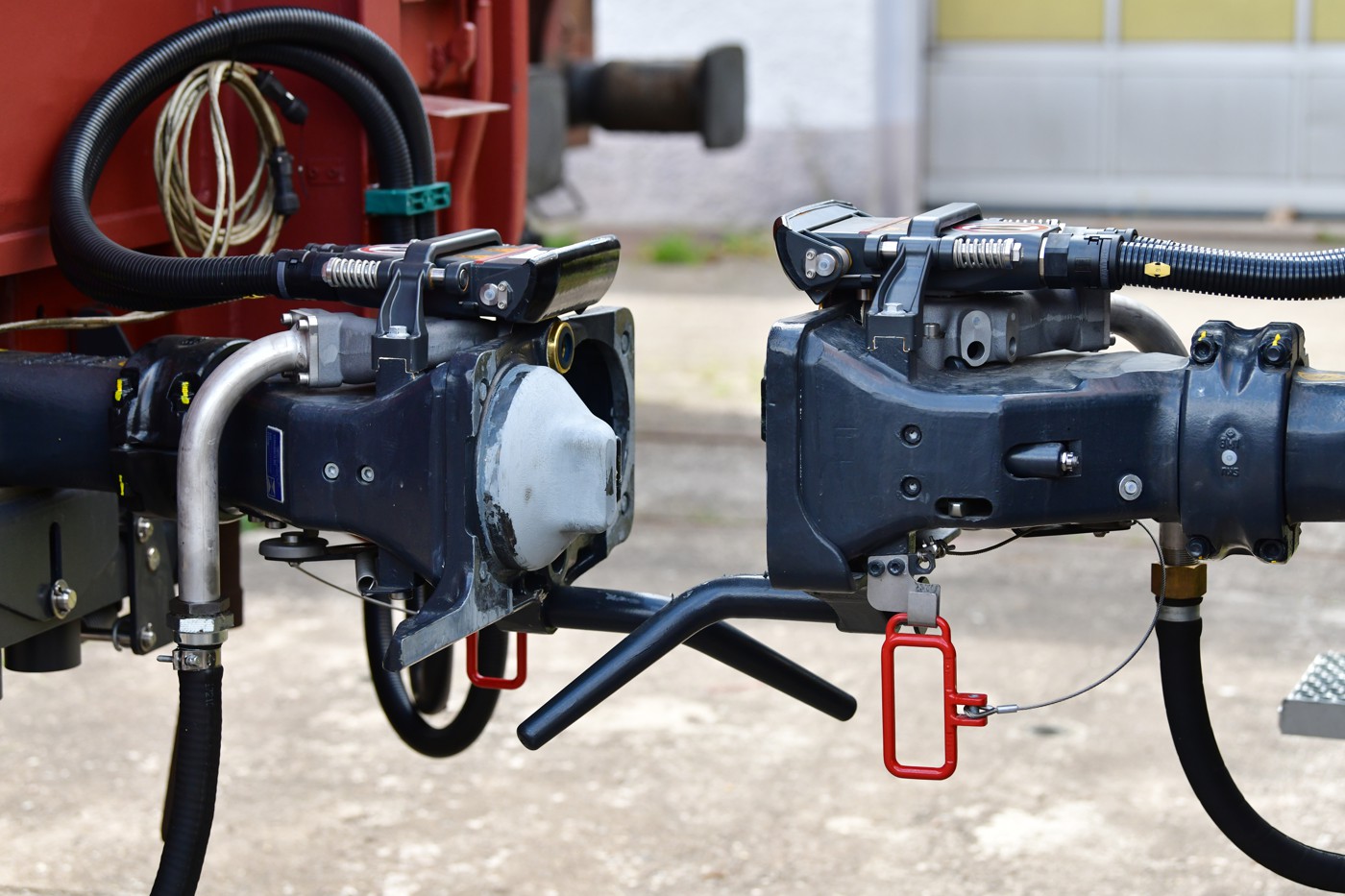
DB Cargo: Digital Automatic Coupler Goes into Series Production
Apr 2, 2024 at 7:33 PM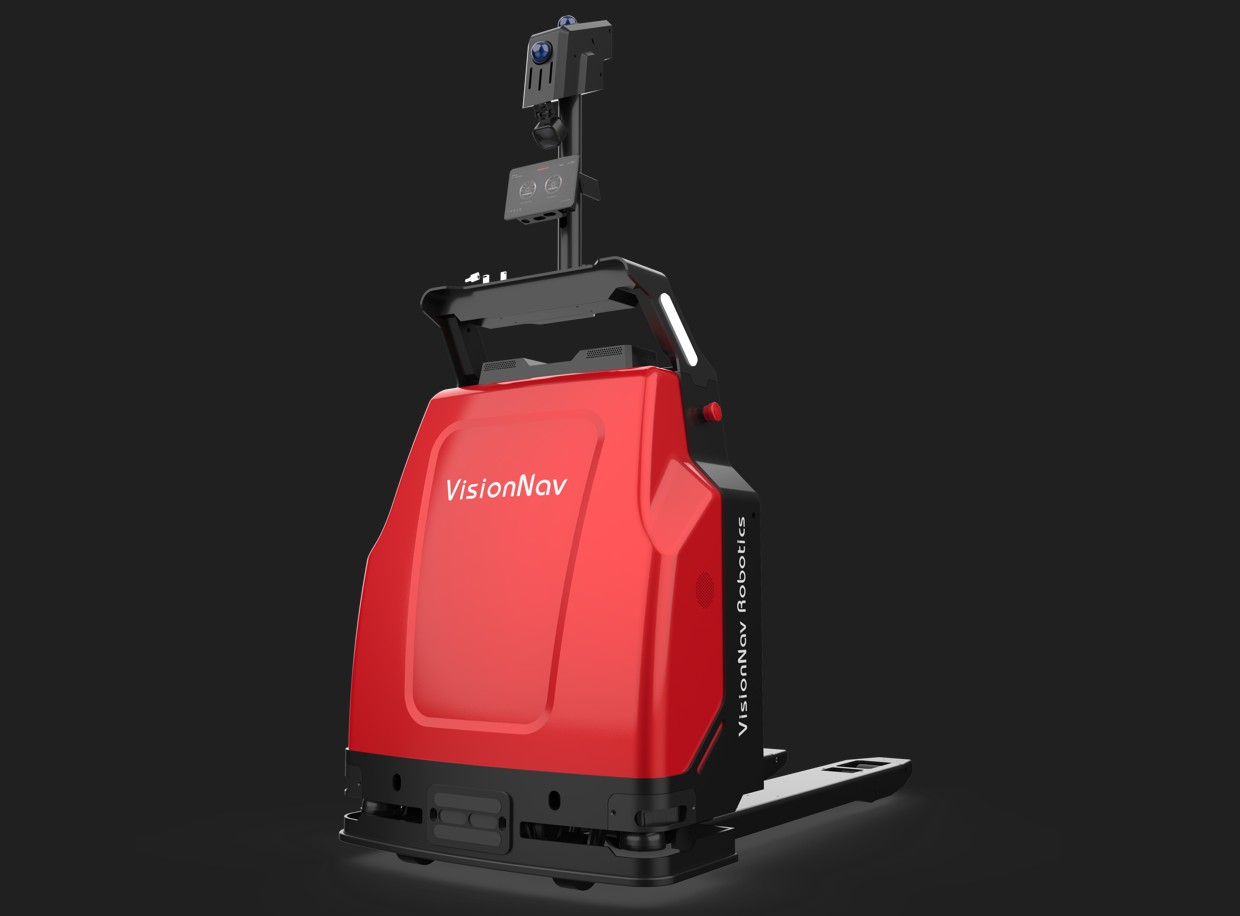
VNST20 PRO by VisionNav Impresses at European Premiere
Apr 4, 2024 at 4:27 PM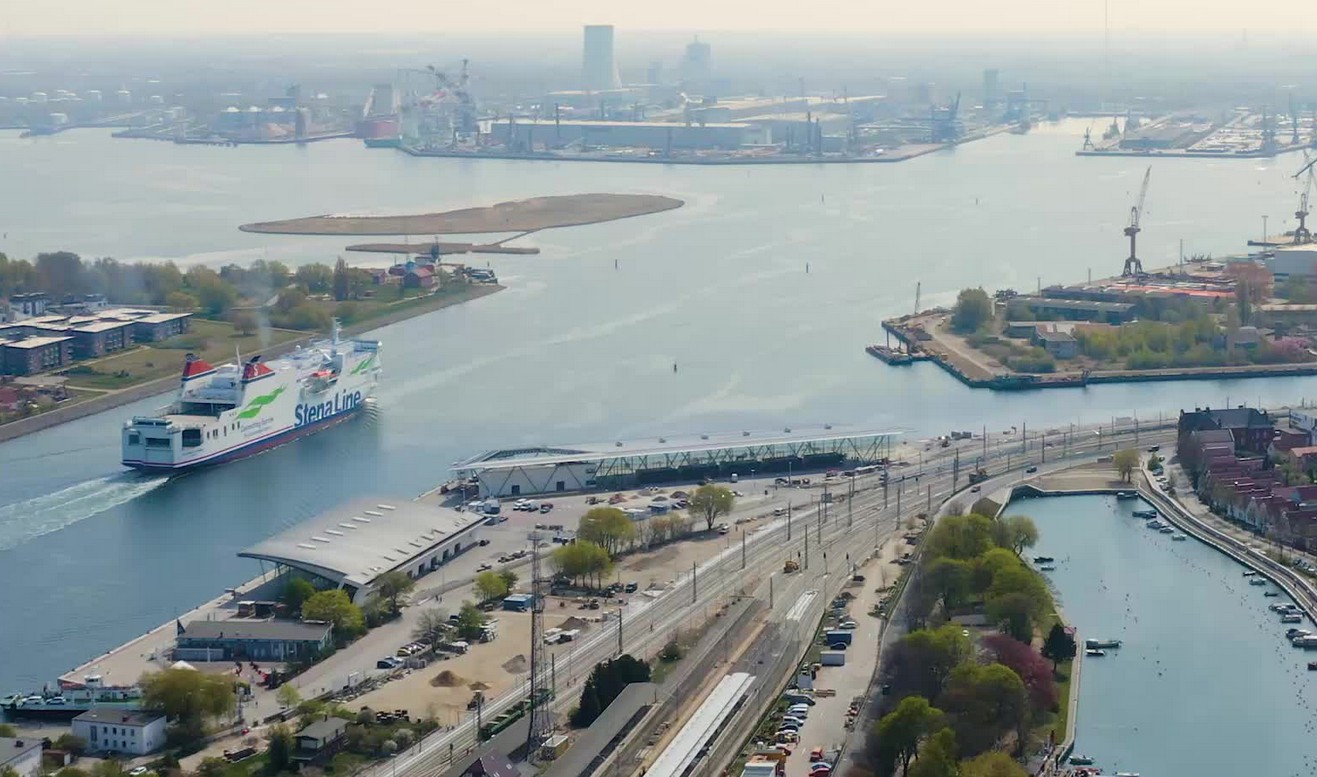
For the first time in its over 60-year history, the overseas port of Rostock handled 30.9 million tons of cargo in a single year. This represents an increase of 6.5 percent or 1.9 million tons compared to the previous record set in 2022.
(Rostock) “Given the economic environment, we are satisfied with the overall results for 2023, as it confirms the performance of all companies and authorities operating in the largest universal port on the German Baltic coast. Despite economic-related declines in ferry/RoRo traffic and harvest-related declines in grain, the overseas port was able to achieve another record result, primarily due to the enormous increase in liquid cargo handling,” summarizes ROSTOCK PORT Managing Director Dr. Gernot Tesch. “Particularly pleasing is the strong growth in value-added general cargo handling, the transportation of railway wagons, and the positive development in the new handling segment of automobiles.”
“In 2023, we welcomed nearly three million passengers on ferries and cruise ships at the overseas port and Warnemünde, around 200,000 more travelers than in the previous year,” says Jens A. Scharner, Managing Director of ROSTOCK PORT GmbH. “With 2.54 million passengers on the three ferry routes of Scandlines, Stena Line, and TT-Line to Denmark and Sweden, there was an increase of 40,000 or 1.5 percent compared to the previous year. In the cruise port of Warnemünde, 419,000 sea travelers (2022: 294,000) arrived and departed on 130 ship calls (2022: 139) from 30 cruise ships (2022: 30). On 103 of the 365 days in 2023, cruise ships from 22 national and international shipping companies docked at the Warnemünde port.”
In 2023, 20 million euros were invested in the infrastructure of the overseas port. This year, ROSTOCK PORT plans to invest over 50 million euros in infrastructure and participations to strengthen the port’s competitiveness.
Handling Results at the Overseas Port
In total, there were 7,461 calls by ferry and RoRo, tanker, cargo, and cruise ships at the overseas port of Rostock last year (2022: 7,800). Of these, 5,657 calls were made by ferry and RoRo ships (2022: 5,958).
The bulk cargo handling was 5.7 million tons, 20 percent below the very good previous year. There were losses in the handling of grain, coal, and construction materials. With an annual result of 2.6 million tons, grain remains the dominant bulk cargo type at the overseas port.
The handling of liquid goods increased by 4.4 million tons to 7.9 million tons, more than doubling the previous year’s figures. A total of 5.9 million tons of crude oil (+ 4.7 million tons) were pumped from tankers through the Rostock oil port into the pipeline to Schwedt for the PCK refinery to secure and contribute to the supply of East Germany.
General Cargo Handling Increased by 21 Percent
With 760,000 tons, the handling of value-added general cargo was 132,000 tons or an impressive 21 percent above the previous year. In particular, the loading of wind power components, as well as cranes and large pipes, increased last year.
In contrast, the handling of rolling cargo, including ferry and RoRo goods, decreased by 1.2 million tons or seven percent to 16.5 million tons due to economic conditions. The number of truck/trailer units transported on ferry and RoRo routes to and from Northern Europe decreased accordingly: from 579,000 in 2022 to 516,000 last year, a decrease of eleven percent. The handling of paper, cellulose, and particle board slightly declined from 378,000 tons to 362,000 tons.
However, ferry traffic continued to increase last year after 2022. The number of cars and motorhomes transported between Northern Europe and Rostock was 647,000, an increase of three percent.
The transportation of railway wagons to and from Trelleborg significantly increased from 18,100 in 2022 to 26,800 last year. The import and export of new vehicles also rose, particularly due to the establishment of the automotive logistics company Autolink, from nearly 13,000 to more than 32,000 vehicles. ROSTOCK PORT’s approach to expand the service portfolio by establishing a port terminal for automobile handling has proven stabilizing for ferry and RoRo traffic.
Share of Rolling Cargo at 53 Percent
The share of rolling cargo in the total handling of the overseas port of Rostock was 53 percent last year. It is an indicator of the balanced business model and thus the performance of the universal port.
Photo: © Rostock Port