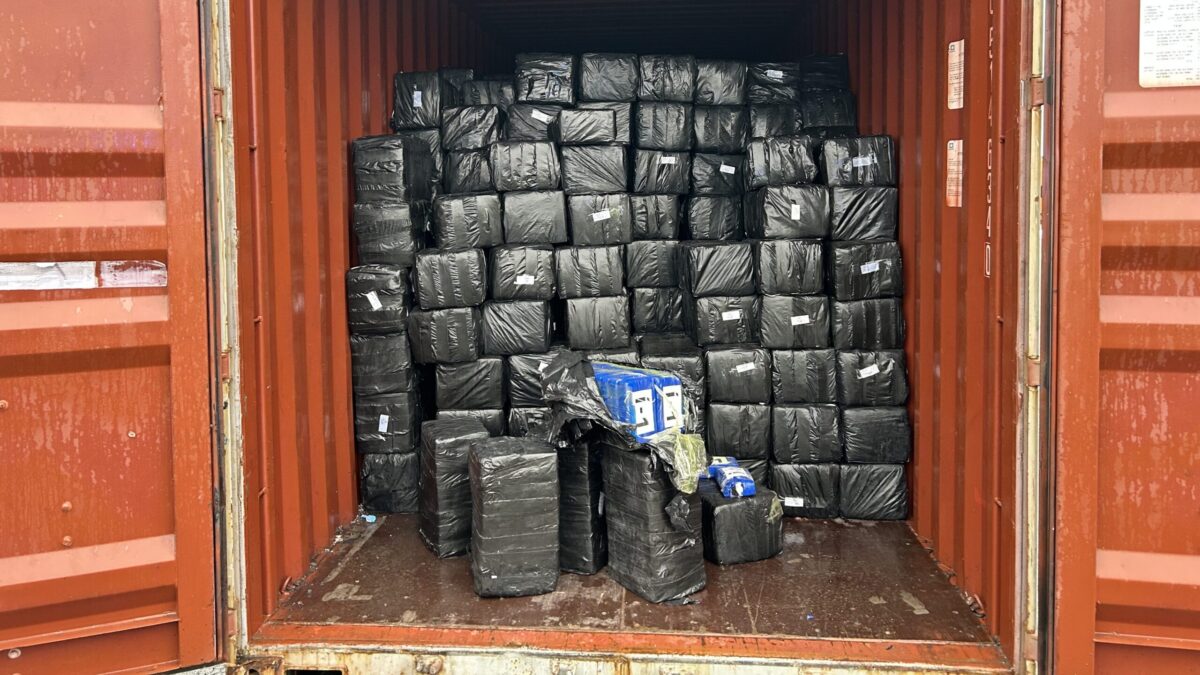

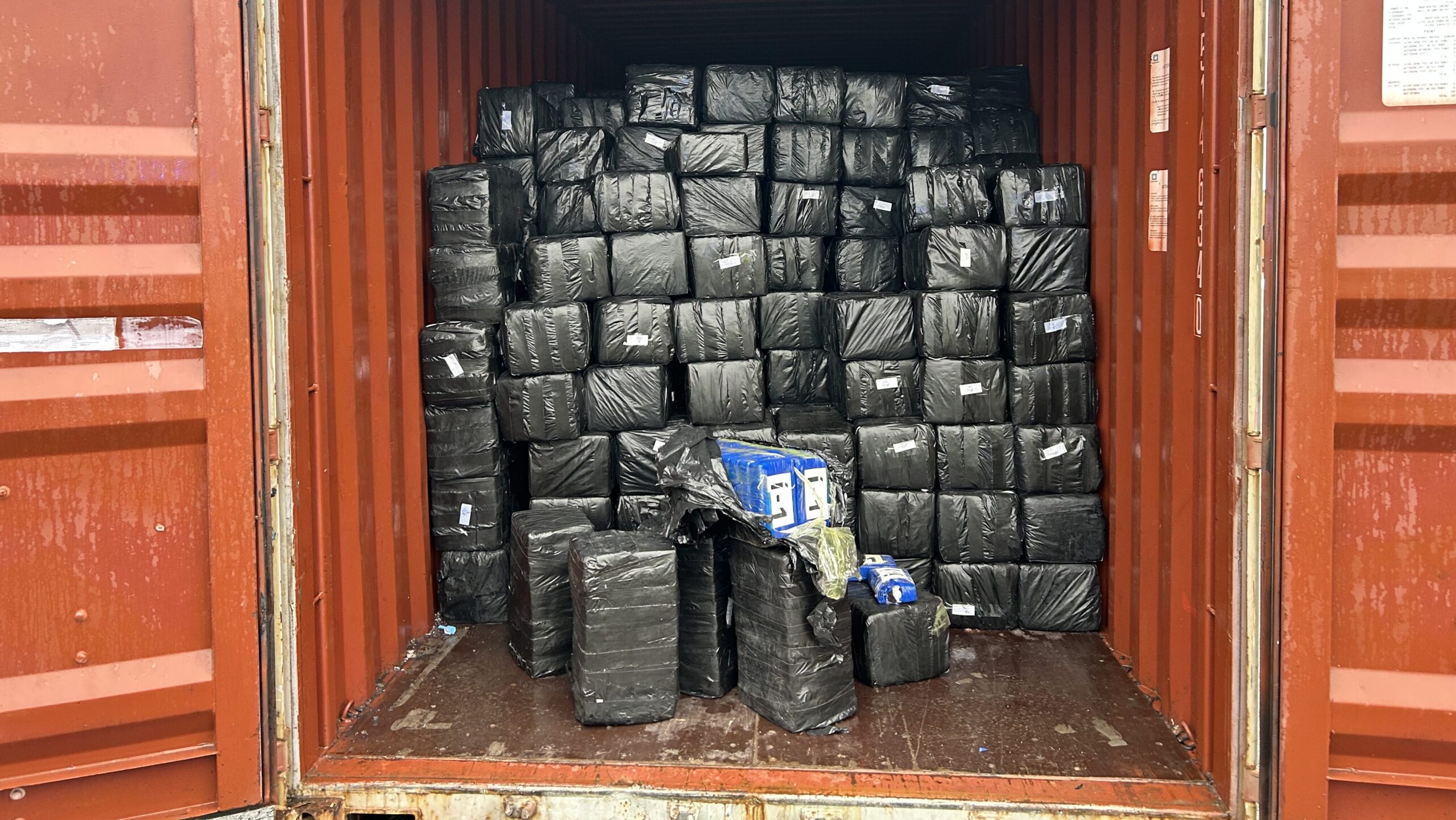
Customs secures eight tons of cocaine in Wilhelmshaven
Jun 3, 2026 at 12:07 PM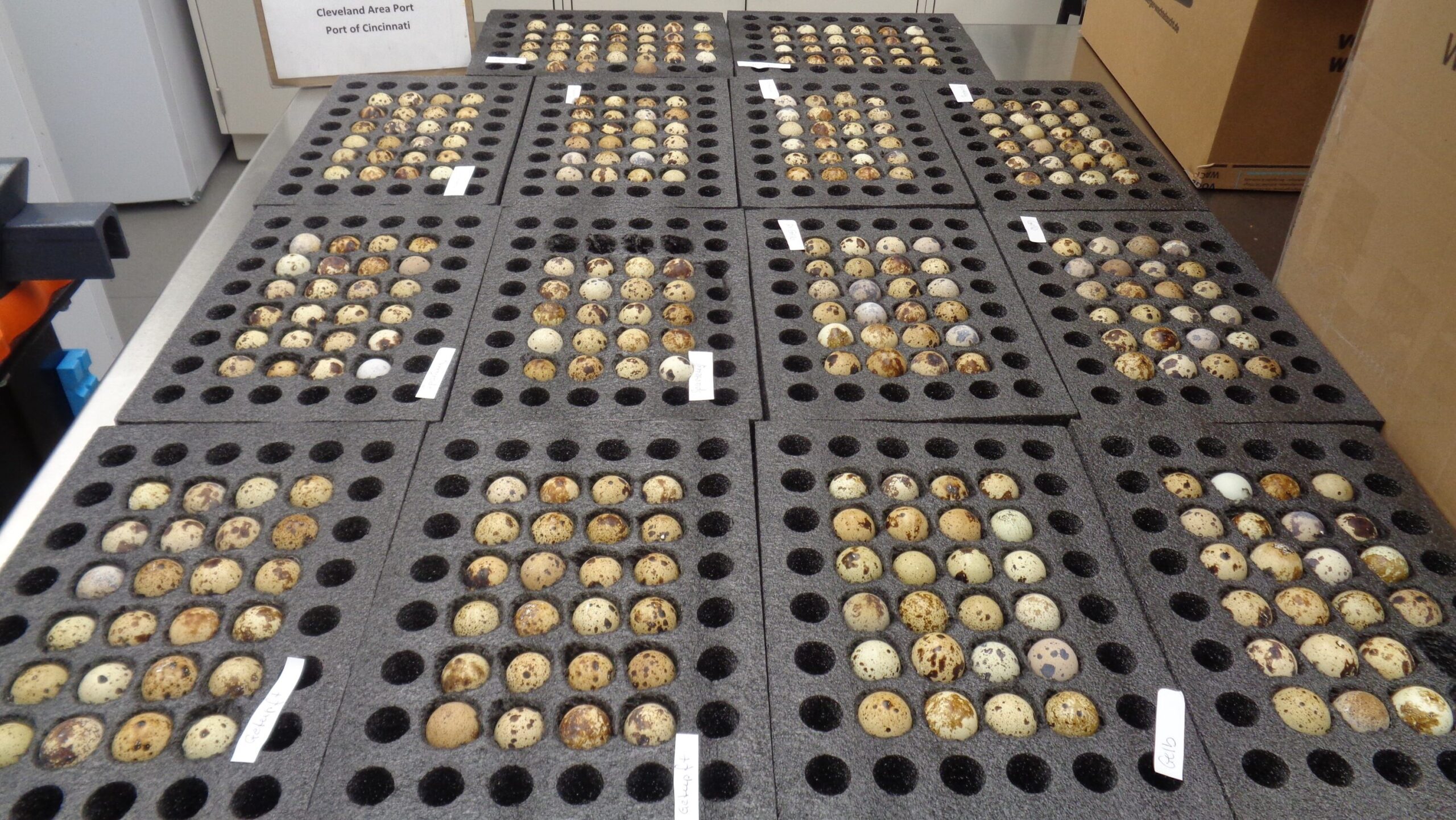
Agricultural specialists of the U.S. Customs and Border Protection (CBP) seized a shipment of 337 hatching eggs on May 27, 2026, in Cincinnati, which originated from Germany. The delivery, intended for Alaska, was declared as winter jackets. Thanks to targeted investigations and the expertise of the agricultural specialists, the shipment was held for further inspection. During the inspection, officials found that the hatching eggs were transported without the required documentation. The import of hatching eggs from countries where highly pathogenic avian influenza has been detected is not permitted according to the guidelines of the U.S. Department of Agriculture. The eggs were subsequently handed over to the local USDA Animal and Plant Health Inspection Service.
Risks to food safety
Eric Zizelman, Port Director in Cincinnati, emphasized the importance of these measures: “The food supply of our country is constantly threatened by diseases not present in the U.S.” He highlighted that such seizures demonstrate the vigilance and commitment of CBP agricultural specialists, who work daily to mitigate the threat posed by non-native pests, diseases, and contaminants. These measures are crucial to protect the U.S. from harmful diseases that could impact the food supply.
Hatching eggs include all bird species, including poultry, wild birds, and other avian species. If there is a market for live birds, there is a possibility that someone will attempt to import hatching eggs. These eggs are brought into the United States to be incubated or used for breeding purposes. Upon arrival, the eggs would be incubated, hatched, and raised. Due to the potential transmission of Newcastle disease and avian influenza, hatching eggs are subject to strict regulations that also apply to live animals.