
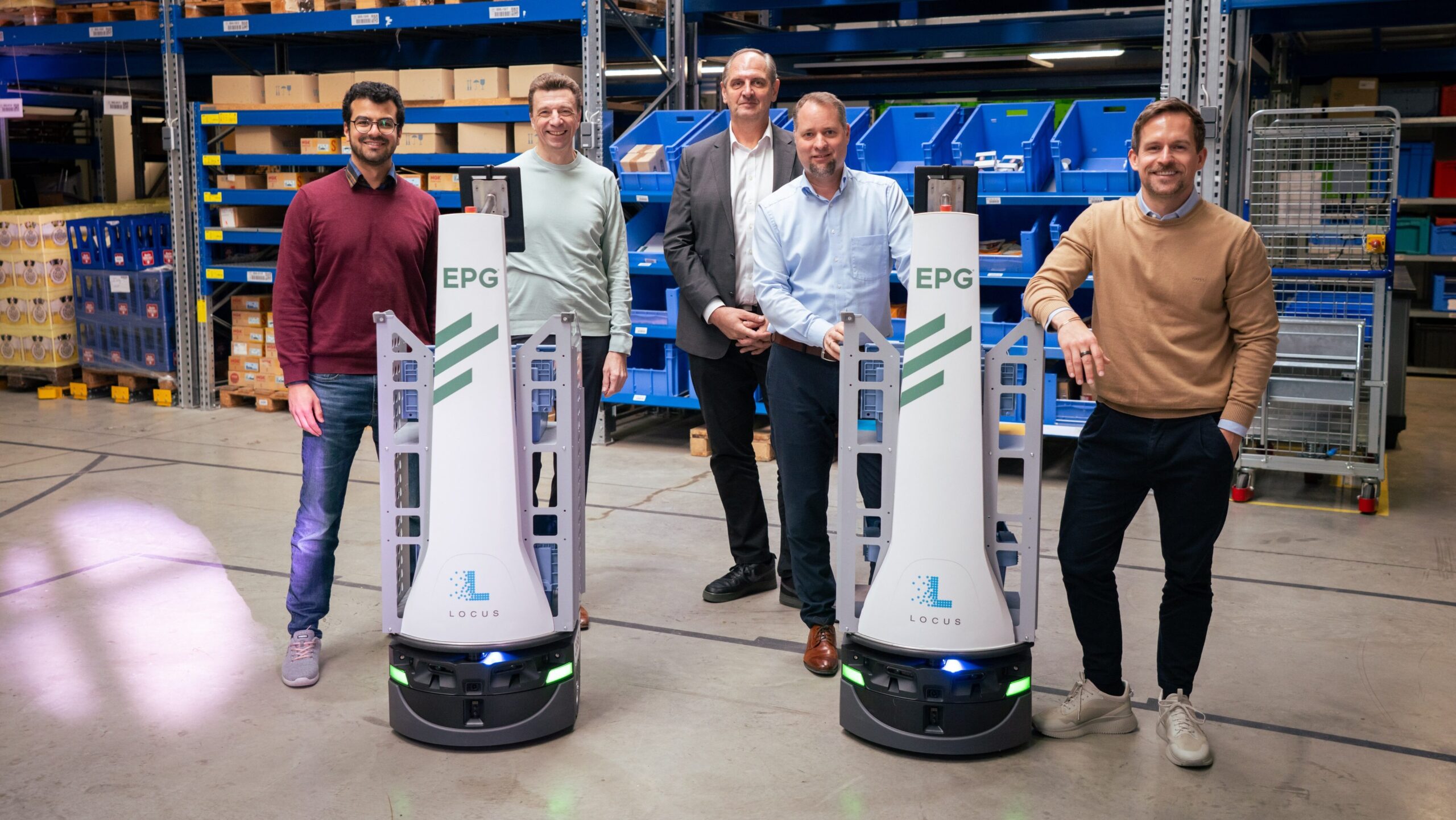
EPG partners with Locus Robotics
Apr 27, 2026 at 4:46 PM
Rhenus Group fully acquires LBH Global Agencies
Apr 28, 2026 at 9:48 AM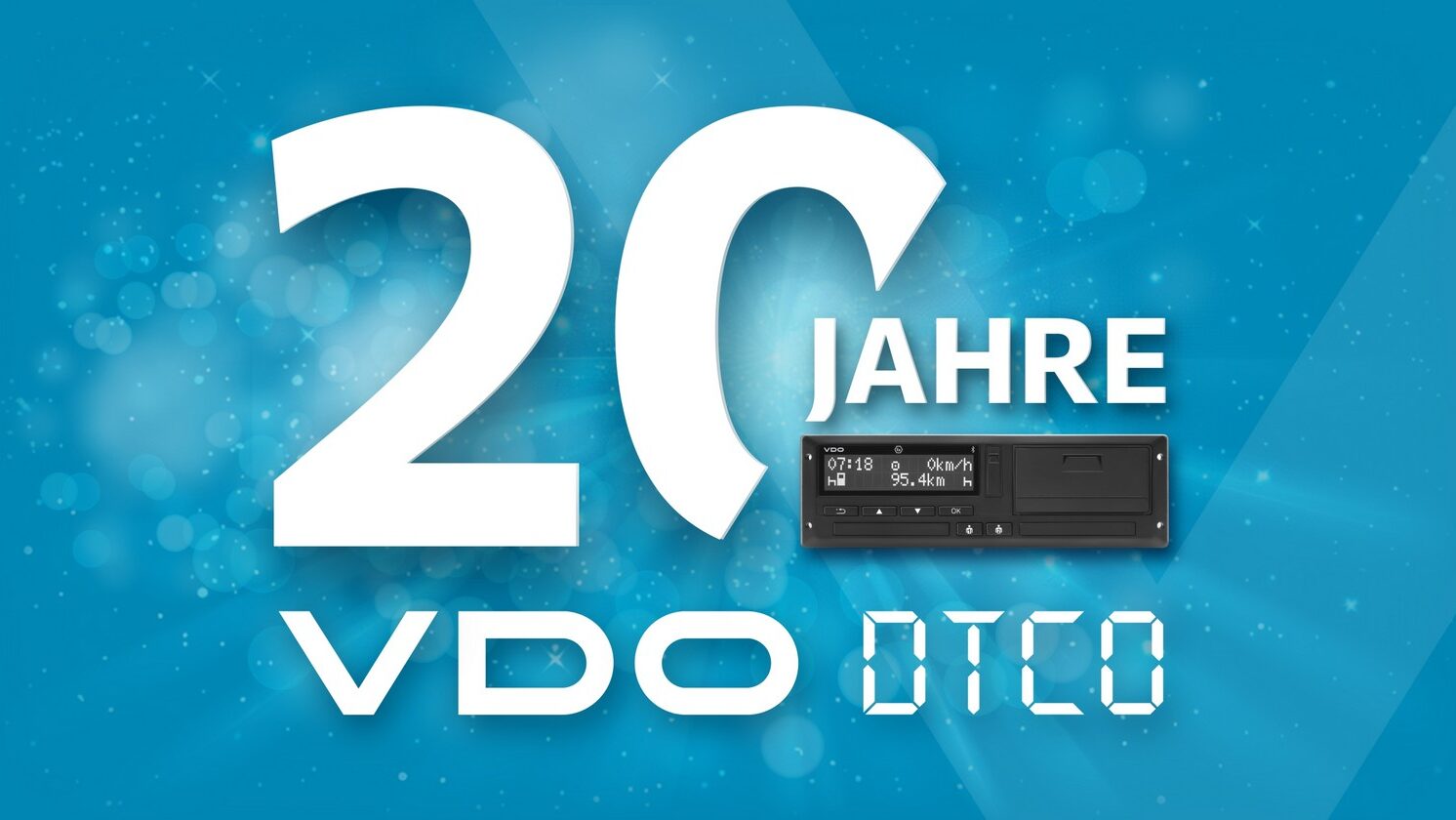
Villingen-Schwenningen, April 28, 2026. With the introduction of the digital tachograph DTCO 20 years ago, AUMOVIO has made a significant step in the development of international freight transport. Since May 2006, the digital tachograph has been mandatory for commercial vehicles in Europe and has transformed from a control instrument into an integral part of modern vehicle architectures. The intelligent tachograph DTCO 4.1b not only supports compliance with legal requirements but also enables connected applications and efficient fleet management. Dirk Gandras, head of the Tachograph Solutions program in the Commercial and Special Vehicles segment at AUMOVIO, emphasizes: „The digital tachograph has fundamentally changed freight transport.“
Technological Change in Transport
EU Regulation 561/2006 introduced the digital tachograph and ended the use of analog chart discs. The DTCO 1.0, marketed under the VDO brand, represented a complete computer system for European buses and trucks. This system digitally records and stores driving and rest times as well as speeds, allowing for comprehensive analysis. This transition marked a technological change in transport and demonstrated that digitization can be successfully implemented even in a traditionally shaped environment. The digital tachograph contributes to road safety by helping fleet operators and drivers comply with legal requirements and reducing fatigue as a cause of accidents.
The transparent documentation of working hours also improves labor and social standards in the transport industry. Uniform rules and their compliance create comparable market conditions in Europe, thereby promoting fair competition.
Continuous Development of Tachographs
The development of the digital tachograph is part of a history spanning over a hundred years, during which VDO has driven the evolution from mechanical to digital systems. Since the introduction of the DTCO in 2006, the system has been continuously developed, focusing on reliable compliance with legal requirements and supporting drivers and fleet operators. One example is the VDO Counter, which calculates the remaining driving and rest times and displays them on the tachograph. This transforms the tachograph into an assistance system that makes complex legal regulations understandable.
Modern tachographs utilize intelligent sensors and additional signal sources to enhance safety. The DTCO 4.1a employs OSNMA (Open Service Navigation Message Authentication) for the position data of the European navigation system Galileo, increasing the reliability of the collected data and making tampering attempts more difficult. Additionally, DSRC technology (Dedicated Short Range Communication) allows for the reading of certain vehicle data while passing by, facilitating targeted checks and reducing unnecessary stops.
New Requirements and Digital Networking
With the introduction of the intelligent tachograph DTCO 4.1 in 2023, a new phase has begun. The current legal requirements, particularly from the EU Mobility Package I, significantly expand the system’s requirements. The tachograph now supports the automated recording of border crossings and facilitates the documentation of cabotage trips as well as the tracking of driver postings. Technologies such as satellite-based positioning and secure data transmission further increase transparency and control options.
The role of the tachograph has fundamentally changed. The recorded data is no longer just proof of compliance with legal regulations but forms the basis for digital applications that transform the daily operations of fleet operators. The networking of the tachograph with digital services through standardized interfaces enables companies to automate processes and efficiently organize legally required tasks.
Additionally, the VDO Link as a plug & play telematics solution provides easy access to this data, even without a permanently installed telematics infrastructure. This particularly enables small and medium-sized fleets to quickly integrate their vehicles into digital processes.
Outlook on the Future of the Tachograph
The role of the tachograph will continue to evolve in the future. With the increasing integration into digital ecosystems, it will become a central component for connected mobility. New applications will emerge as data from different sources is combined. The extension of the tachograph requirement to light commercial vehicles in cross-border traffic starting in July 2026 underscores the central role of the system in European transport. Volkmar Knaup, head of Services Europe in the Commercial and Special Vehicles segment at AUMOVIO, explains: „The tachograph will continue to evolve from a mere control device to a platform. Its data will increasingly contribute to making transport safer, more transparent, and more efficient.“