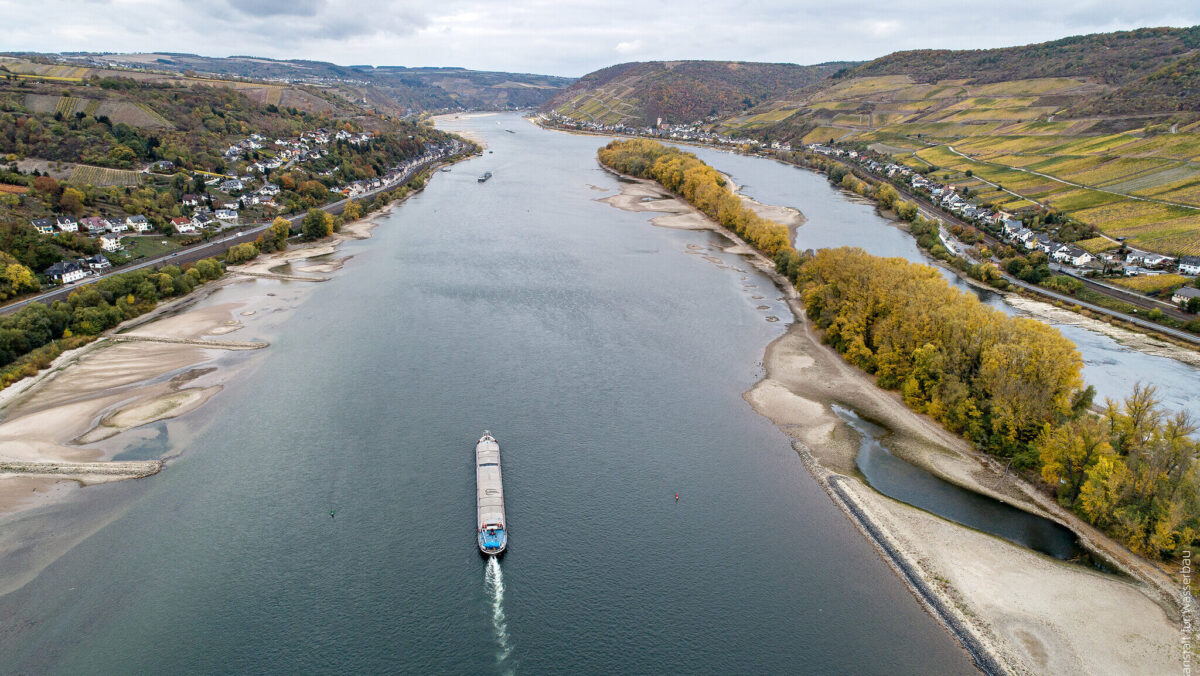

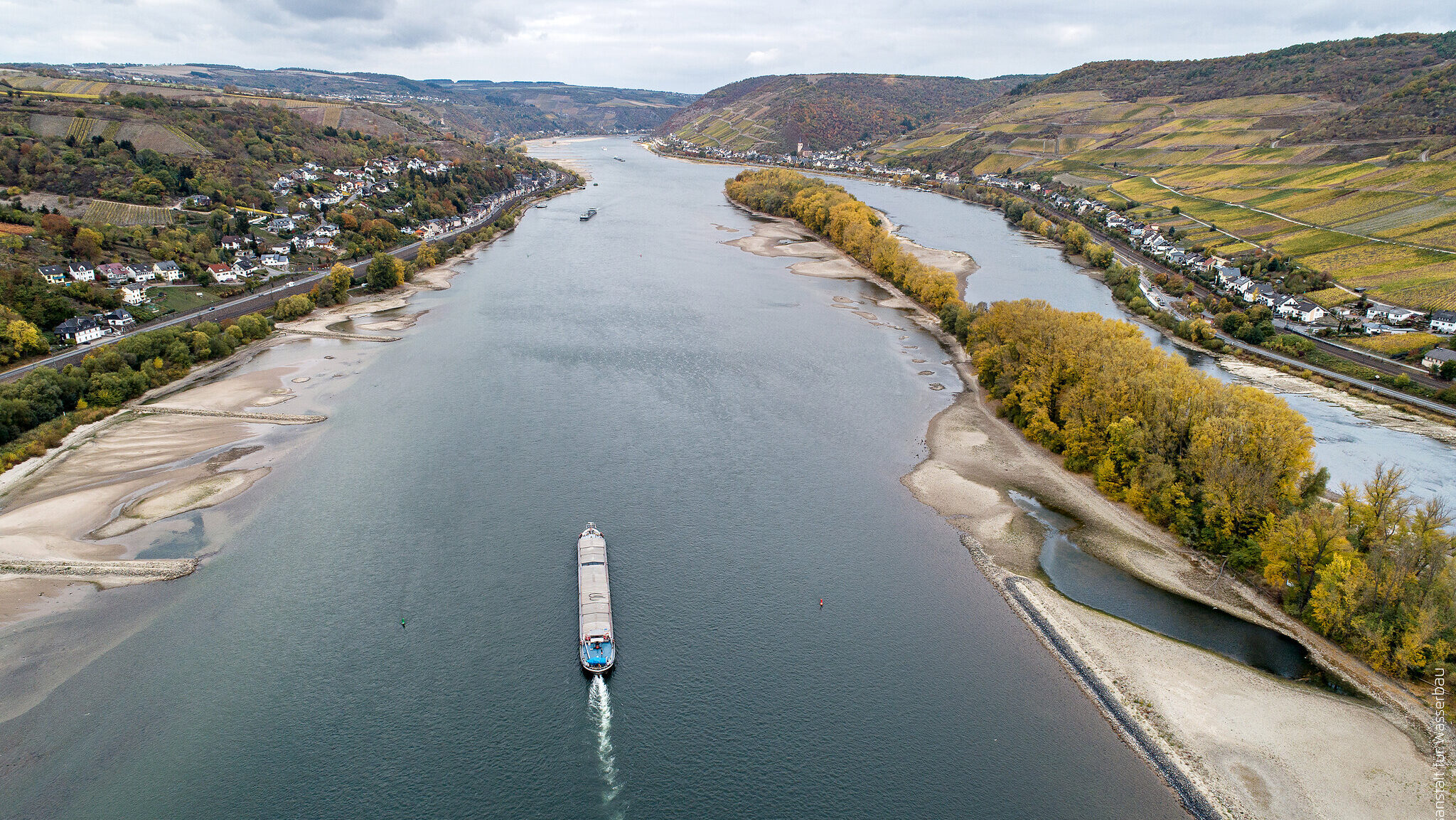
Portal provides information on low water levels in Germany
Jul 15, 2026 at 9:32 AM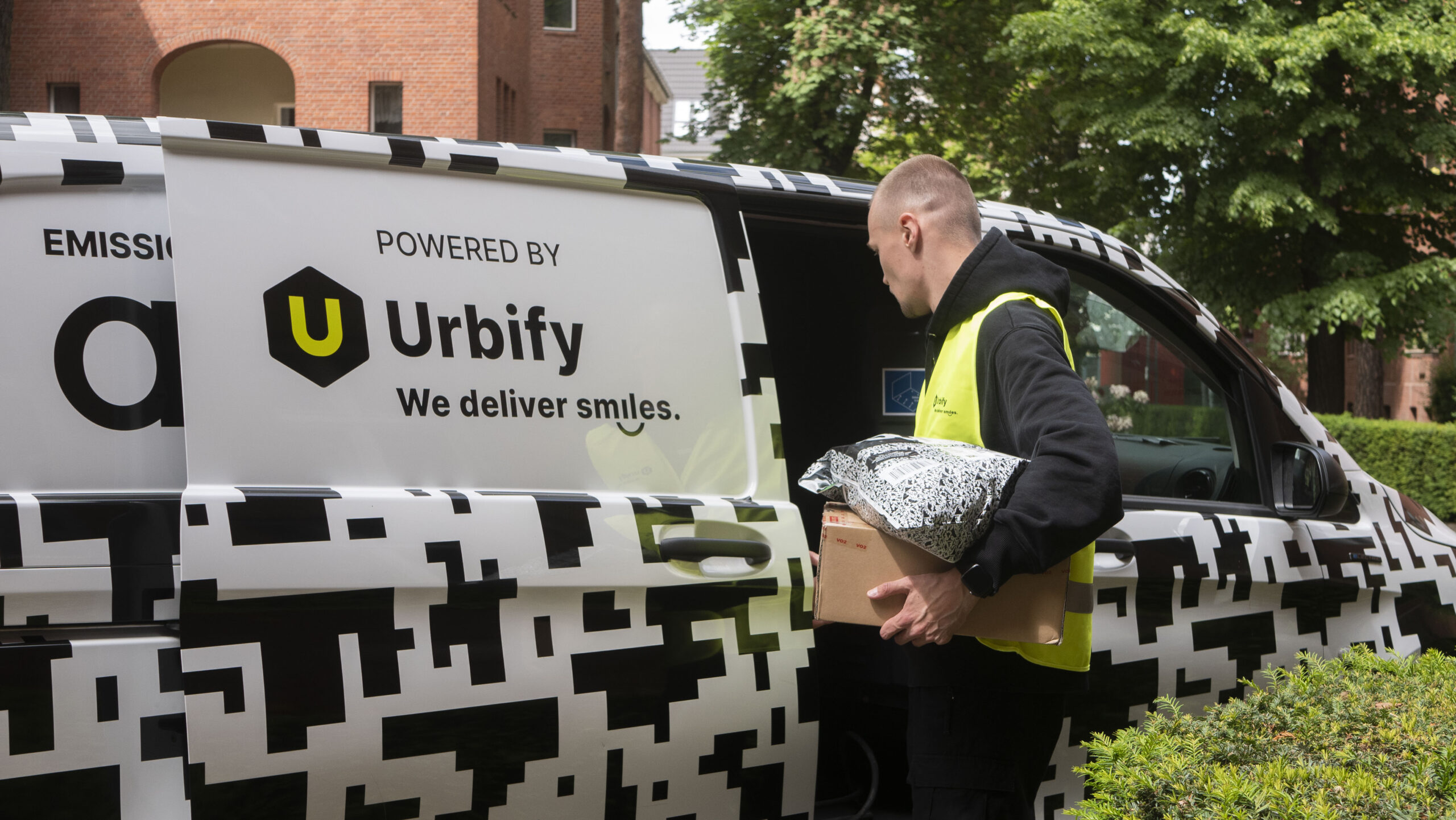
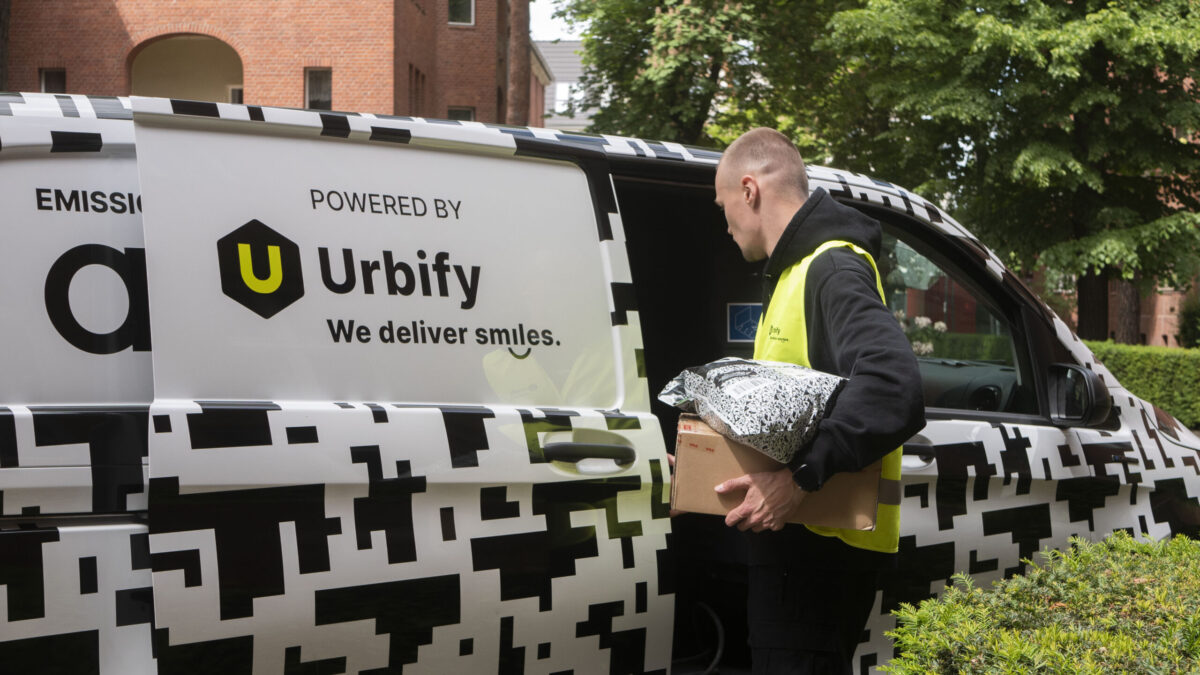
Urbify joins BPEX as a new member
Jul 15, 2026 at 10:55 AM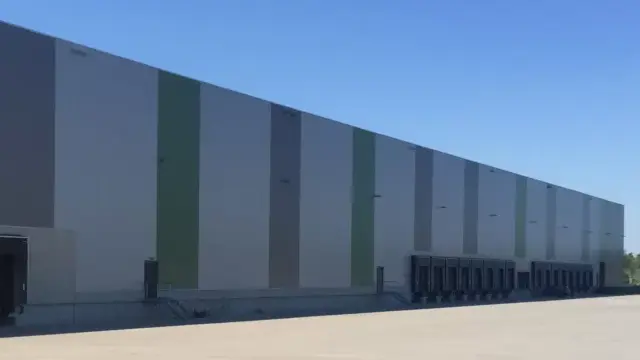
The German market for industrial and logistics real estate recorded a positive development in the first half of 2026. With a space turnover of 3.8 million m², an increase of 28% compared to the previous year was achieved. Notably, the leasing turnover rose by 41%. A significant factor for this development was the return of large-volume rentals that were absent in the previous year. In the first six months of the year, 13 lease agreements over 50,000 m² were already concluded.
Asian companies are increasingly influencing the German market. Their share of space turnover rose to 11%, which is above the previous year’s figure. Modern logistics spaces in well-connected regions such as Frankfurt, Hamburg, and the Ruhr area are particularly in demand. However, these companies face challenges as the availability of suitable spaces is limited. The weak new construction pipeline and the lack of modern logistics spaces are slowing down market activity.
Stable demand in the top-8 markets
The top-8 logistics markets in Germany achieved a space turnover of 1.2 million m² by the end of the first half of the year, which is only 3% below the previous year’s figure. In five of the eight locations, a noticeable recovery in demand is already evident. A consistent trend is that the number of transactions is increasing while the average space size is decreasing. Approximately 63% of all transactions were for spaces below 3,000 m², indicating a changed demand structure.
Frankfurt recorded the highest space turnover with 294,600 m², followed by Hamburg with 180,700 m². While Frankfurt increased by 6% compared to the previous year, Hamburg fell short of the previous year’s figure by 21% due to limited space availability. The Leipzig region recorded the lowest space turnover at 70,000 m², attributed to a pronounced hesitance in decision-making among users.
The presence of Asian users has increased in cities such as Frankfurt (4%), Hamburg (9%), Düsseldorf (11%), and Cologne (24%). In Berlin, however, European trade and e-commerce companies dominate. In Munich, companies from the defense sector were particularly active, contributing 18% to the space turnover. Stuttgart, on the other hand, is facing economic challenges leading to job cuts and plant closures.
Christian Kah, Head of Industrial & Logistics Germany at Colliers, commented on the current developments:
“The current figures indicate a continued moderate, yet clearly recognizable recovery in space demand. A central limiting factor remains the scarcity of space in conjunction with a weak new construction pipeline, which affects nearly all top-8 logistics markets.”