
Ford Trucks uses Driventic retarder
Jul 14, 2026 at 8:52 AM
PJM develops automated system for rail freight transport
Jul 14, 2026 at 12:07 PM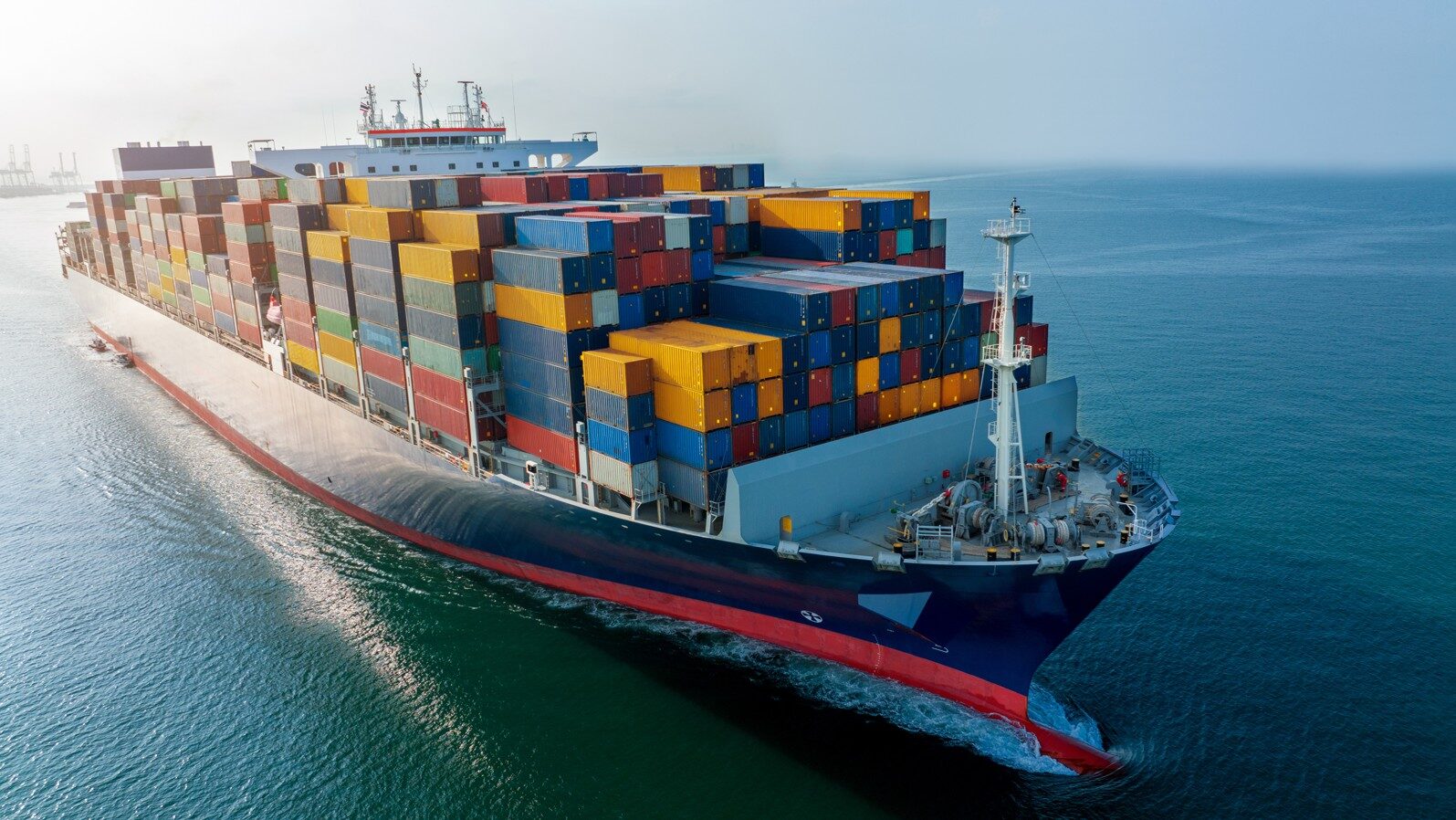
Since the end of February 2023, the safety of shipping in the Strait of Hormuz has been severely restricted. Despite hopes for a quick de-escalation, the region remains a geopolitical conflict zone, significantly affecting civilian maritime trade.
At the beginning of the conflict, around 50 ships with approximately 1,000 crew members, owned by German interests or operating under German management, were blocked in the Persian Gulf. In recent months, it has been possible to bring more than half of these ships out of the danger zone with high security measures and in close cooperation with the local navies. Currently, about 20 ships with around 400 crew members remain in the region, with the situation continuing to be dynamic and unpredictable.
Martin Kröger, Managing Director of the Association of German Shipowners (VDR), emphasizes the urgency of the situation: „One thing must be clear to everyone: bringing ships and their crews to safety from the danger zone is an important first step. But sooner or later, they must also be able to return safely to transport urgently needed raw materials and goods.“ He points out that global trade relies on functioning shipping, and the Strait of Hormuz must be safely navigable in both directions to maintain supply chains.
The importance of free shipping is underscored by the multitude of goods transported via sea routes. These include energy, raw materials, food, medicines, and industrial inputs—all essential goods for people and businesses worldwide. Disruptions in these supply chains can not only jeopardize supply but also increase the cost of living, which is particularly noticeable in Germany.
The VDR is concerned that security risks for international maritime trade are increasing on several strategic sea routes. Attacks in the Red Sea, the war in the Black Sea, tensions in the Taiwan Strait, and hybrid threats in the North and Baltic Seas illustrate that the freedom of navigation is under global pressure. Kröger warns: „Today it is the Strait of Hormuz, tomorrow it could be the Strait of Malacca, the Taiwan Strait, or another strategically important chokepoint.“
He calls on the international community to do everything possible to permanently restore the freedom of navigation and ensure the protection of merchant ships and their crews. Free passage through international straits is a fundamental principle of international maritime law that must not be undermined militarily or economically. For Germany, as an export and import nation, the protection of free and safe sea routes is of particular strategic importance.