



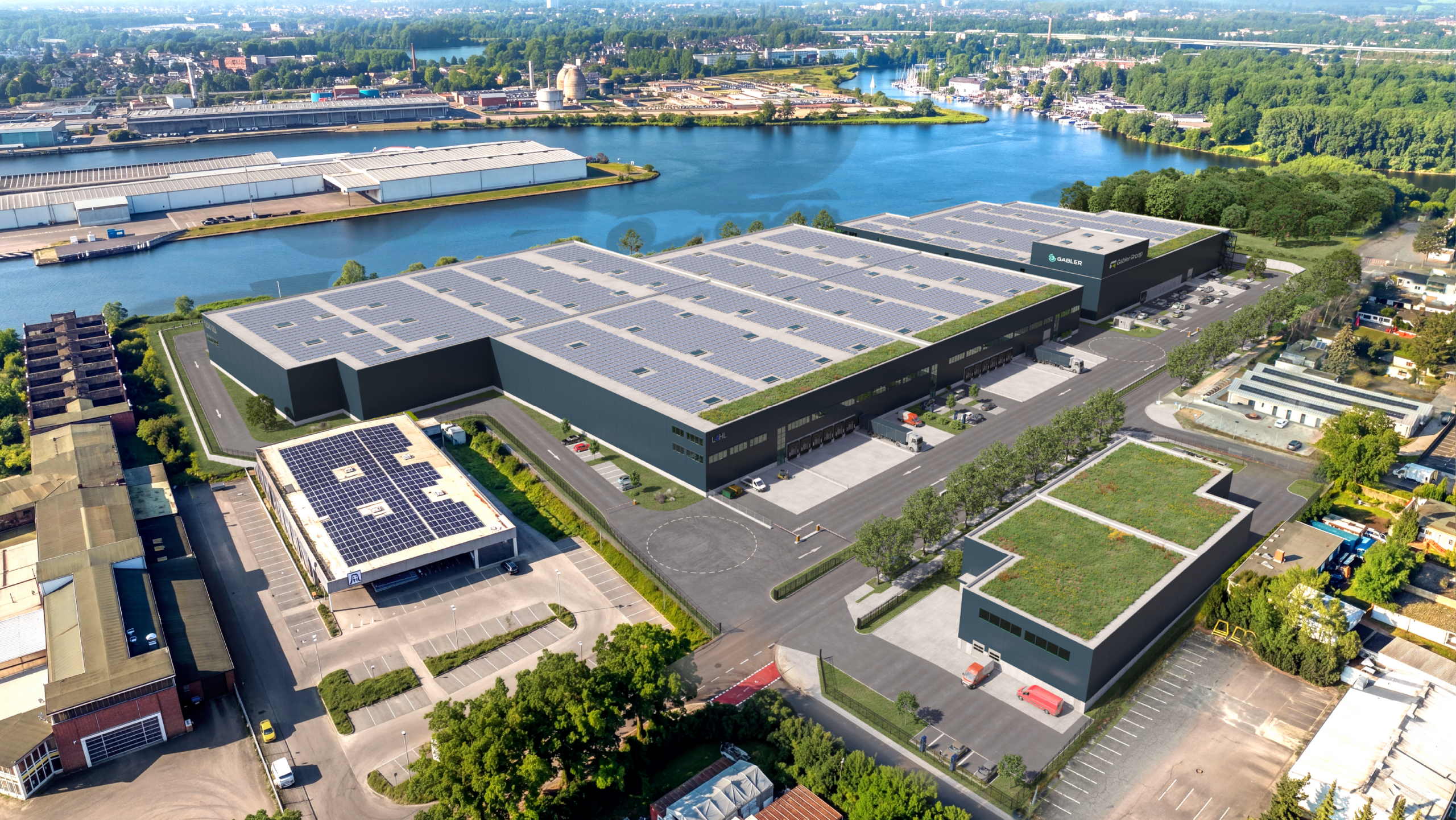
Logivest brokers lease to Gabler Group in Lübeck
Jun 3, 2026 at 7:26 AM
AsstrA launches intermodal transport service to Poznań
Jun 3, 2026 at 7:54 AM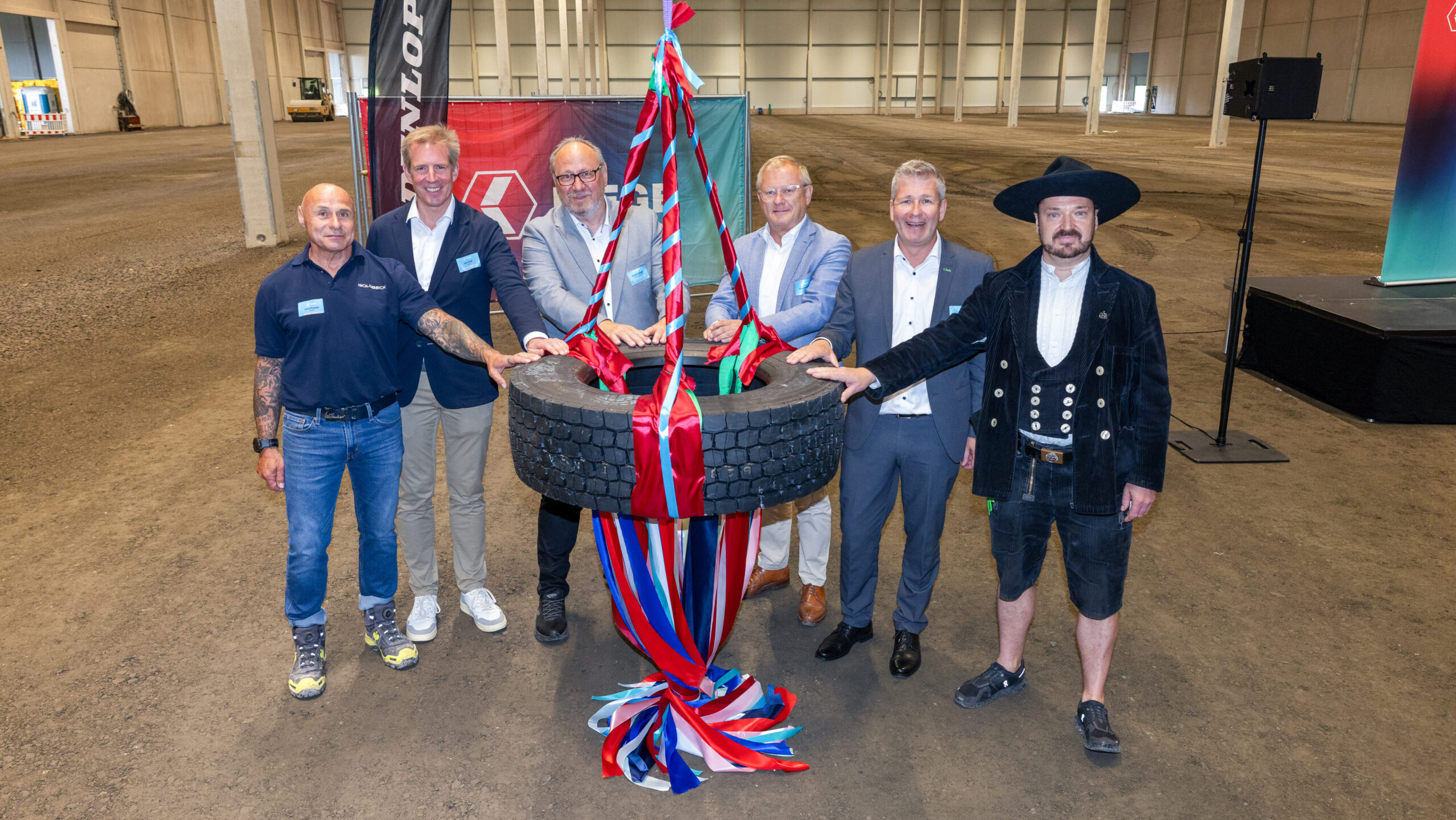
The construction of the new logistics center of the Fiege Group in Hessisch Lichtenau is proceeding as planned. The logistics service provider based in Greven is building a multi-user center with an area of 52,000 square meters near Kassel. The anchor customer of the new location is the tire brand Dunlop. On Tuesday, the topping-out ceremony for the modern warehouse was celebrated in the presence of Mayor Dirk Oetzel.
Completion and Use of the New Center
The new logistics center is expected to be completed in the fall of this year. It includes five hall ships as well as office and social areas. The project is being realized by Fiege Real Estate. Dunlop Tyre Europe GmbH plans to further expand its activities in Europe and will act as the main customer at the new location. Mayor Dirk Oetzel expressed positive remarks about the progress of the construction project and emphasized the significance of the settlement for the city. He described the collaboration with Fiege as a positive signal for the attractiveness of the location.
Jens Fiege, Co-CEO of the Fiege Group, highlighted the necessity of smooth cooperation among all parties involved. He thanked the city of Hessisch Lichtenau and the project partners for their support and emphasized the long-standing partnership with Dunlop. Stephan Stenger, Head of Supply Chain & Operations at Dunlop, confirmed the importance of the collaboration with Fiege and referred to the successful projects that have been realized together in the past.
Sustainability Aspects of the Logistics Center
In planning the new logistics center, Fiege places special emphasis on sustainability. The building aims to achieve Gold certification from the German Sustainable Building Council (DGNB). Environmentally friendly measures include e-truck charging stations, mineral wool insulation, and energy-efficient LED lighting. The heating of the center will be provided by air-to-air heat pumps, while the required electricity will largely be generated by a photovoltaic system on the roof, which provides a capacity of 3,000 kilowatt peak. Additionally, an automated building management system will be implemented to optimize energy consumption. A location-specific biodiversity concept will also be part of the project.