

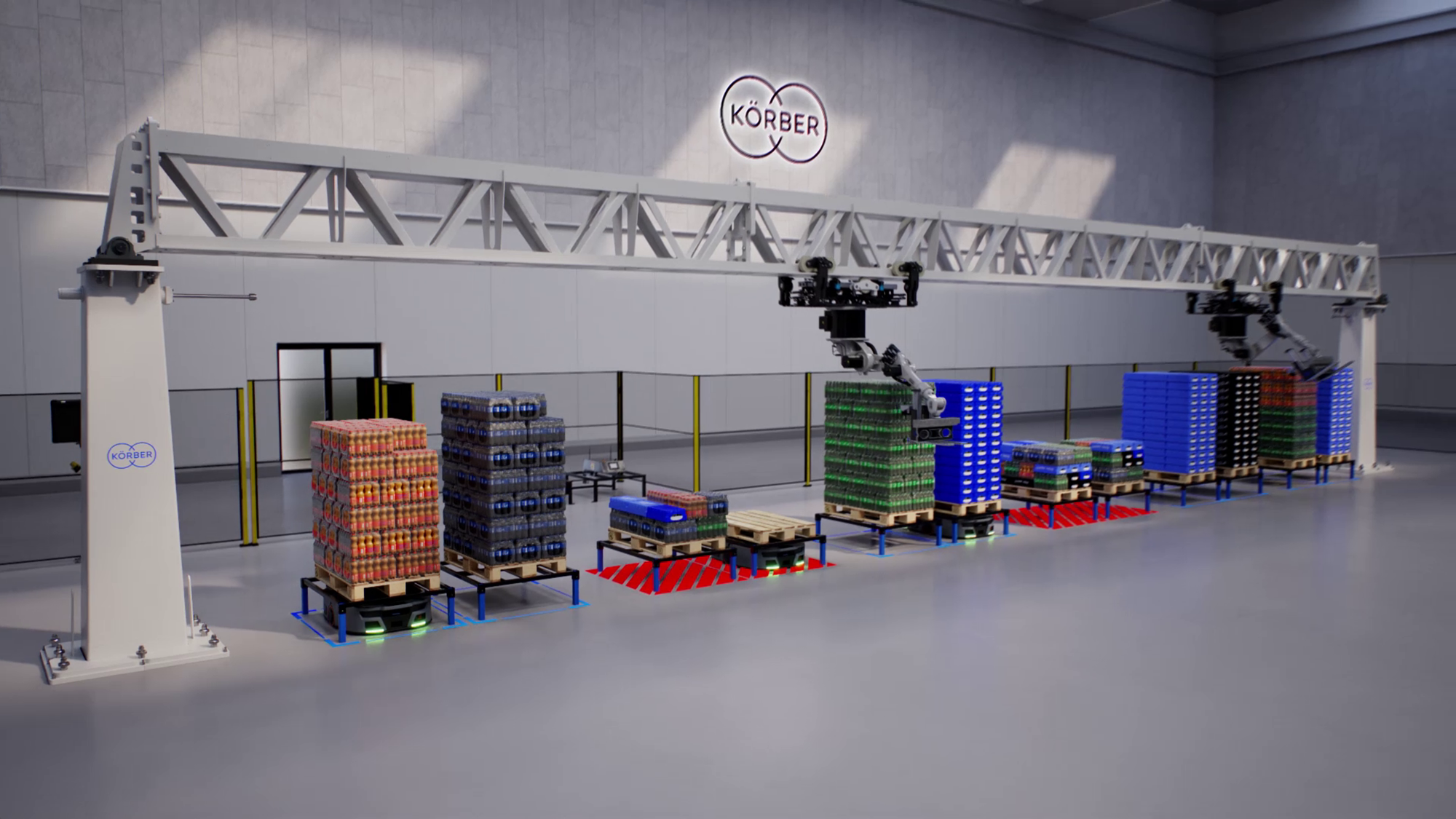
Körber with new solutions for pallet handling
Jun 2, 2026 at 8:56 AM
Liebherr delivers port crane to Paraguay
Jun 2, 2026 at 9:32 AM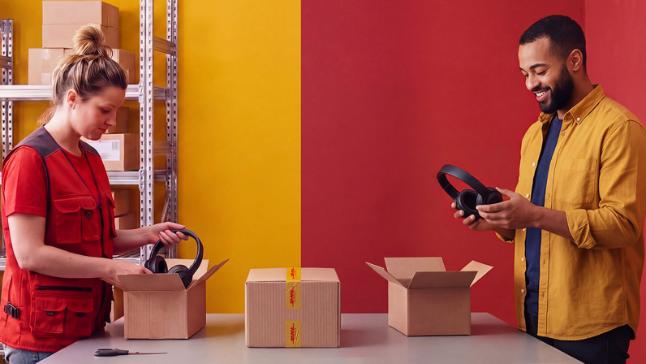
The e-commerce sector is undergoing a profound transformation characterized by changing consumer habits and technological innovations. A recent study by DHL eCommerce, the E-Commerce Trends Report 2026, sheds light on these developments and illustrates how companies can adapt to succeed in the global competition. The investigation is based on surveys of 29,000 online shoppers and 5,800 e-commerce companies in 29 countries.
Changing Consumer Behavior
The study highlights that the gap between consumer expectations and the offerings of many online retailers is widening. Artificial intelligence (AI) plays a central role in this transformation by fundamentally altering purchasing habits and accelerating innovations across the e-commerce ecosystem. Pablo Ciano, CEO of DHL eCommerce, emphasizes that the ability to understand and respond to customer needs is crucial. AI enables retailers to quickly respond to changing demands and enhance the customer experience.
A notable trend is the willingness of many consumers to let AI take control of their purchases. Nearly one-third of respondents, particularly from Generation Z and Millennials, are open to having decisions made by AI systems. At the same time, 73% of companies plan to expand their use of AI in the next five years, despite existing concerns regarding data privacy and trust.
Innovative Delivery Solutions in Focus
The study also shows that the desire for flexible and convenient delivery solutions is strong among online shoppers. 20% of respondents indicate that faster delivery times influence their purchasing decisions. Additionally, an increasing number of consumers are utilizing out-of-home delivery options to better organize their daily lives. Ciano predicts that the demand for flexible delivery options will continue to rise, forcing companies to adjust their shipping structures accordingly.
However, challenges for online retailers persist: free deliveries and returns remain central purchasing incentives, yet they pose difficulties for companies regarding costs and margins. Furthermore, 62% of buyers abandon a purchase if their preferred payment method is not available, while only 45% of companies recognize this as a significant factor.
Second-Hand Trade as the New Norm
Another significant trend is the rise of second-hand trade. More and more consumers are selling products through online marketplaces, with Millennials and Generation Z being particularly active. In Europe, 57% of respondents report regularly selling on such platforms. Many consumers take advantage of this opportunity to act more sustainably, as 45% purchase second-hand products for environmental reasons.
Futurist Tom Cheesewright predicts that in the next ten years, about three-quarters of adults will resell furniture, fashion, and technology through marketplaces. This development presents new challenges for companies, as consumers are not only buyers but also sellers. Sustainable logistics is increasingly becoming a prerequisite for customers, further intensifying the competitive landscape in e-commerce.