
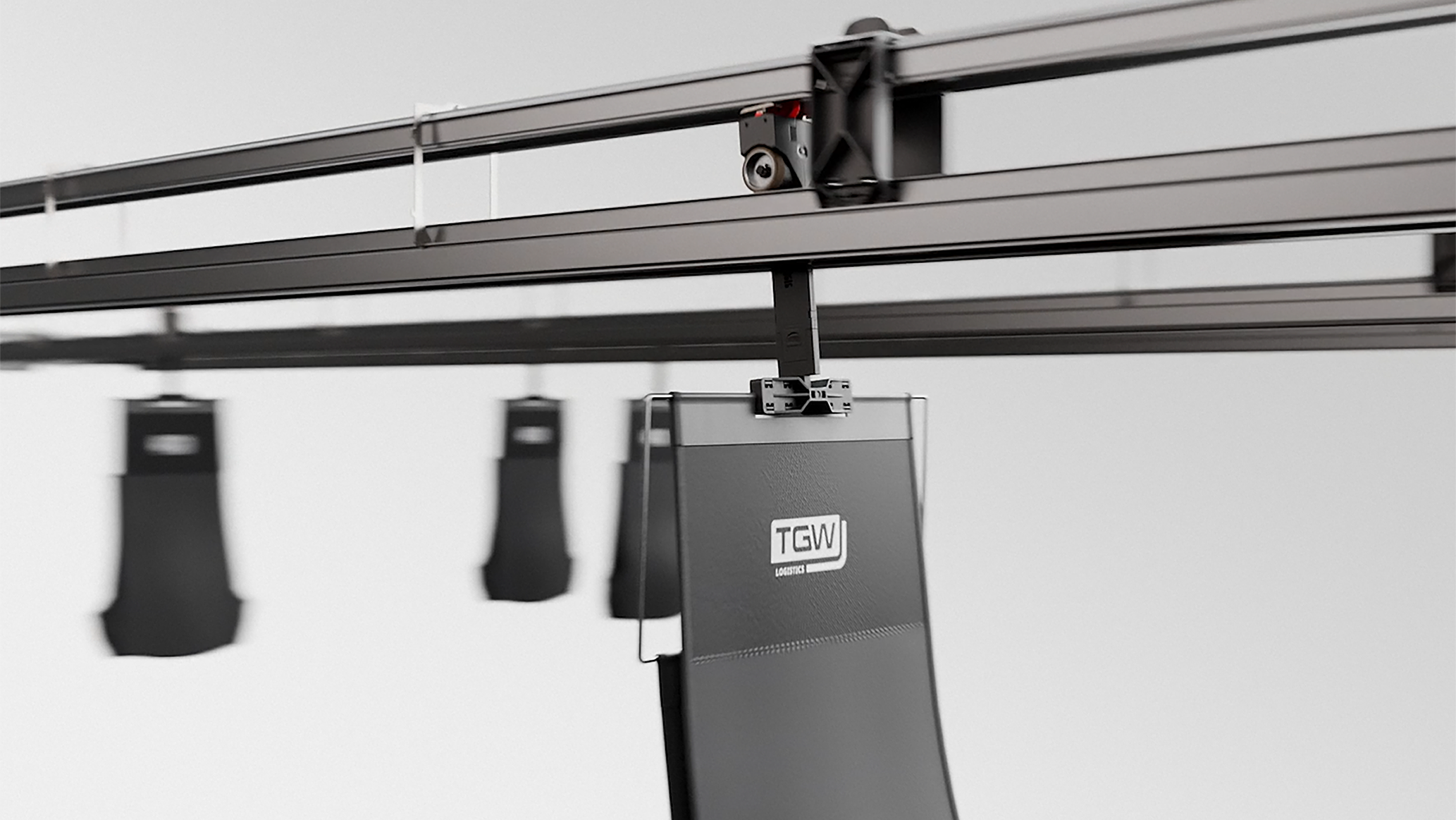
TGW Logistics receives gold at “German Innovation Award”
May 13, 2026 at 8:03 AM
Hellmann achieves solid results in 2025
May 13, 2026 at 9:33 AM
The European transport landscape is undergoing significant changes in the first quarter of 2026, influenced by the ongoing conflict in the Middle East and its associated impacts on fuel prices. According to the latest market report from the European Road Transport Institute Foundation (EITD), activity in the spot market has accelerated considerably, while the search activities of transport companies show a partial recovery.
Increasing spot offers on European routes
In the first quarter of 2026, load offers on key European routes increased significantly, with March showing the strongest momentum. Particularly, the western European corridors recorded remarkable gains: The France–Benelux route saw an increase of 102% compared to the previous year, while the France–Germany (+73%), Germany–Benelux (+71%), and Benelux–France (+72%) routes also exhibited exceptional growth. Central European routes followed this trend, with the Germany–Poland connection increasing by 43% in March and Poland–Germany by 37%.
Michał Pakulniewicz, market analyst at EITD, explains: “We are not only observing a typical recovery after winter but a structurally stronger demand environment. Part of this increase reflects an imbalance between contract and spot markets, especially where contract prices no longer align with current costs.”
Recovery of transport companies‘ search activities
The search activities of transport companies were subdued in the first two months of the year, with a decline compared to the previous year, consistent with the trend of the last two years. However, in March, there was a partial recovery, with several western European routes showing positive developments. The Spain–France corridor recorded the strongest recovery with a 29% increase in March, after previously showing only moderate growth. This shift indicates that transport companies are returning to the platforms due to rising prices and increasing fragmentation of the spot market.
Increase in freight costs in March
Freight prices followed a steady upward trend in the first quarter of 2026, with March showing a clear acceleration. After predominantly single-digit increases in January and February, double-digit annual increases became the norm in March. The Poland–Italy corridor recorded the strongest increase at 14.1%, followed by Benelux–France (+13.6%) and Poland–Germany (+13.5%). This acceleration is attributed to both direct cost pressure from higher fuel prices and the faster transmission of cost changes in the spot market, which incorporates changes into prices more quickly than long-term contracts.
Natalia Janiszewska, CEO of EITD, emphasizes that pricing in the transport market is undergoing structural changes: “As fuel costs rise and contracts no longer reflect actual transport costs, freight shifts to the spot market. This is precisely what we have seen this quarter – the spot market is becoming the primary method for pricing transport services under uncertain conditions. This is a shift that the entire industry should take seriously.”