
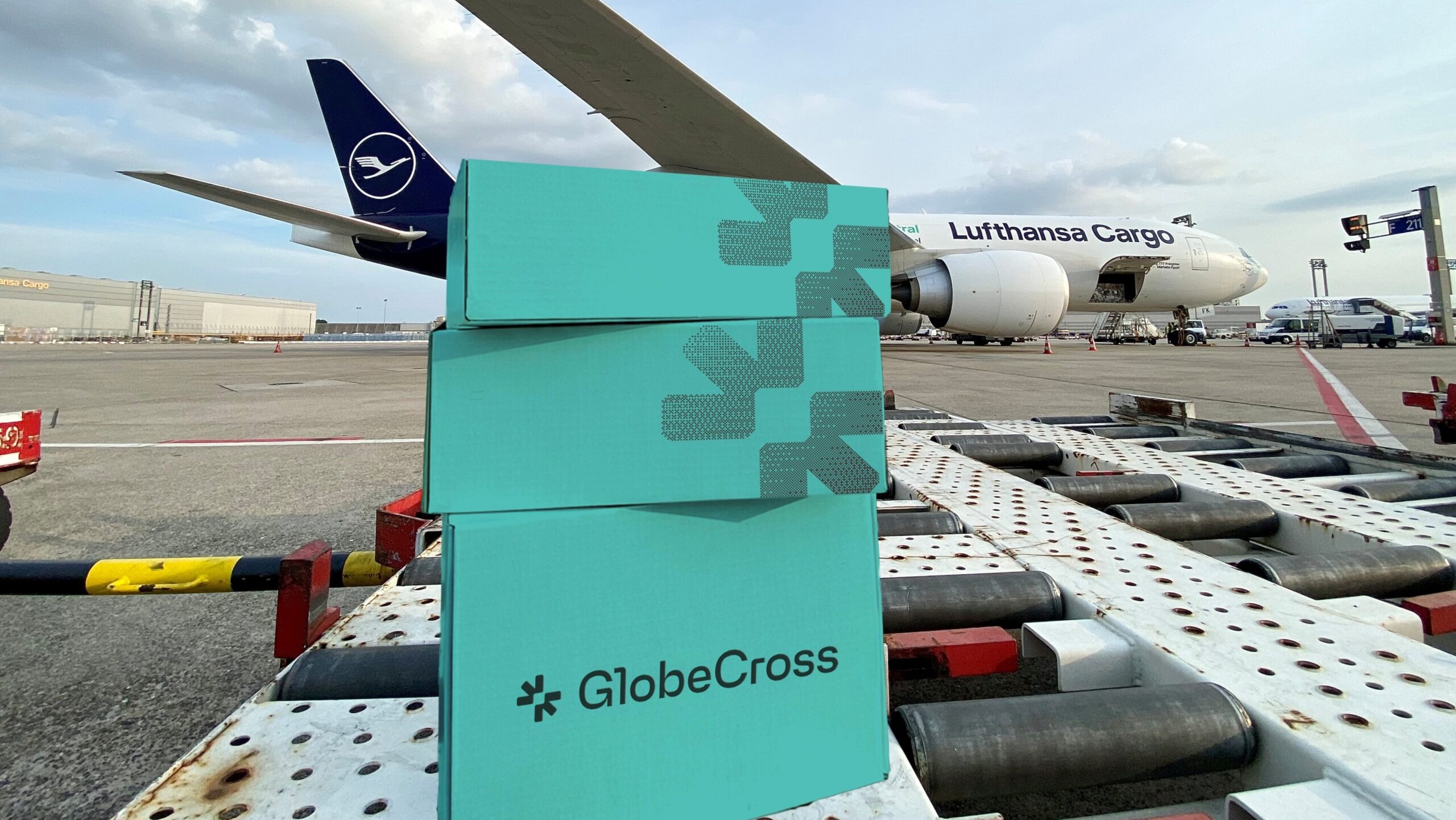
Lufthansa Cargo establishes GlobeCross
May 7, 2026 at 10:08 AM
Dr. Jörn Fontius becomes COO of the DIRKS Group
May 7, 2026 at 12:52 PM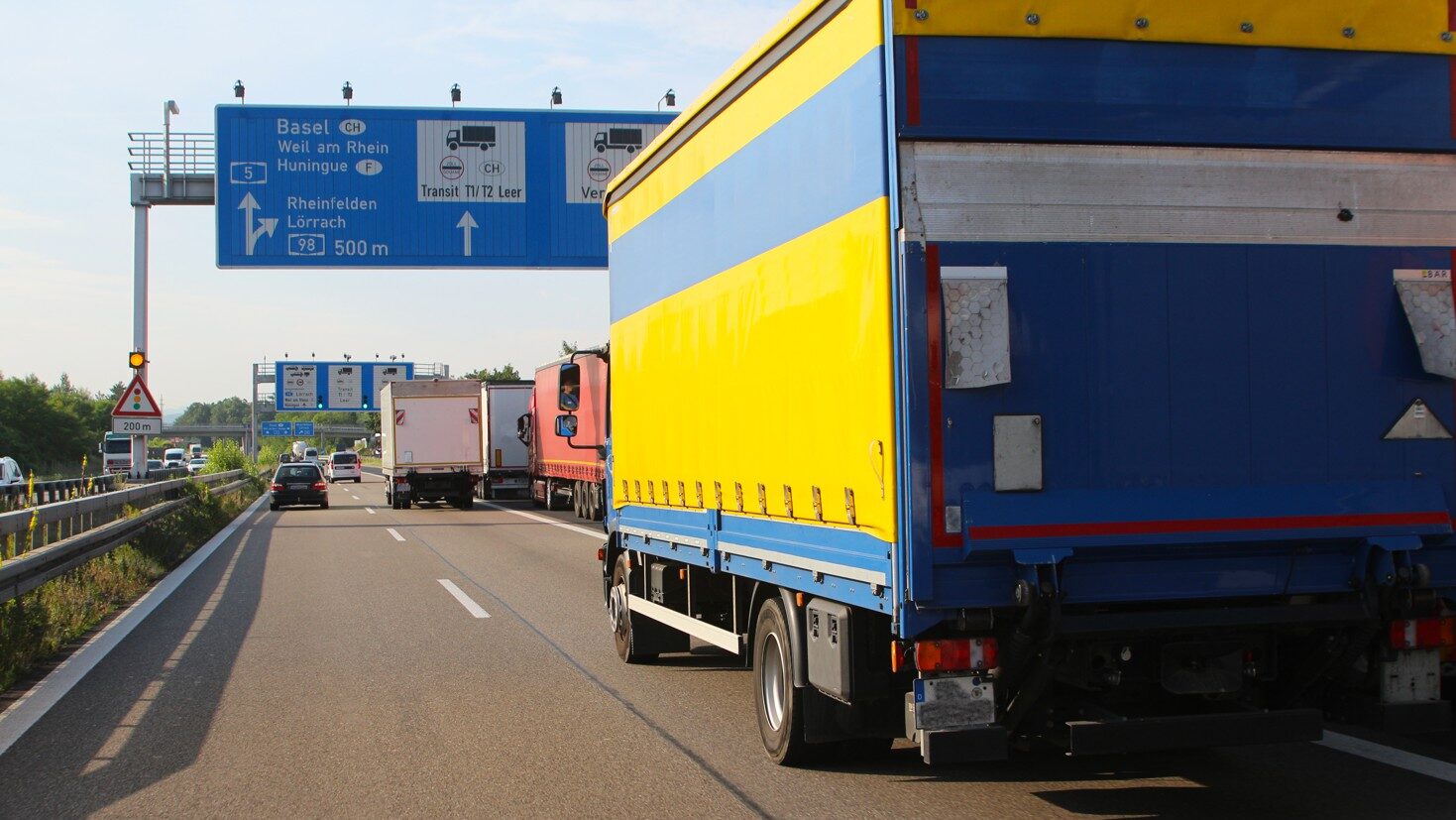
The introduction of a truck toll on state and municipal roads in Baden-Württemberg is facing resistance from the business community. The coalition agreement between Bündnis 90/Die Grünen and CDU aims to establish such a regulation. In light of stagnating economic developments and rising costs for fuels and personnel, an additional toll is seen as an unfavorable signal for companies in the region.
Economic Concerns
The introduction of a state-specific truck toll for vehicles over 7.5 tons total weight would further increase costs for freight transport. Companies fear that they will have to pass on the toll costs to end consumers, leading to an additional financial burden. This development could be particularly problematic for businesses in border regions, as they would be disadvantaged in competition with companies from other federal states.
Negative Impact on Rural Areas
In rural areas, state and municipal roads are essential for many businesses. The already existing structural disadvantages compared to urban areas would be exacerbated by an additional toll. The economy fears that this could further impair the competitiveness of companies located there.
Questionable Environmental Effects
The intended shift of traffic to alternative transport modes such as rail and waterways is considered unrealistic. Due to the inadequate infrastructure in these areas, the toll could merely be perceived as an additional fee, without viable alternatives being available.
Demands from the Business Community
The associations and companies opposing the introduction of the truck toll demand an adjustment of the coalition agreement to current economic conditions. The significant increase in federal tolls and the general rise in prices were not foreseeable at the time of the contract’s conclusion. An additional burden on the economy is deemed inappropriate.
Furthermore, the necessity of a comprehensive impact and implementation assessment is emphasized. This should analyze the functionality and economic consequences of a state toll and outline the expected toll revenues and their steering effects.
The discussion about a possible toll should, according to the demand, be conducted exclusively at the federal level to ensure equal opportunities for all companies. Additionally, the urgency of efficient funding programs is highlighted to promote the transition to alternative drives in truck transport while not burdening the location of Baden-Württemberg.
In conclusion, it is demanded that the revenues from a possible toll be earmarked for the maintenance and renovation of state and municipal roads. The associations Unternehmer Baden-Württemberg e. V., Spedition und Logistik Baden-Württemberg e. V., Verkehrsgewerbe Baden e. V., and Württembergische Verkehrsgewerbe e. V. support these positions.
Editorial Comment

Andreas Müller
For those who are now concerned that this measure will prevent a shift from road to rail, it should be noted that this is not the case. Federal roads typically lead to regions, areas, and villages without rail connections. If they do, they are certainly not suitable for rail freight transport. Nor are they suitable for container and combined transport, as the corresponding terminals are often more than 100 km away from the starting or destination point of a shipment.
Seen this way, this toll would have no impact on the shift but would be an additional tax that would have no effect other than to fill state coffers.