
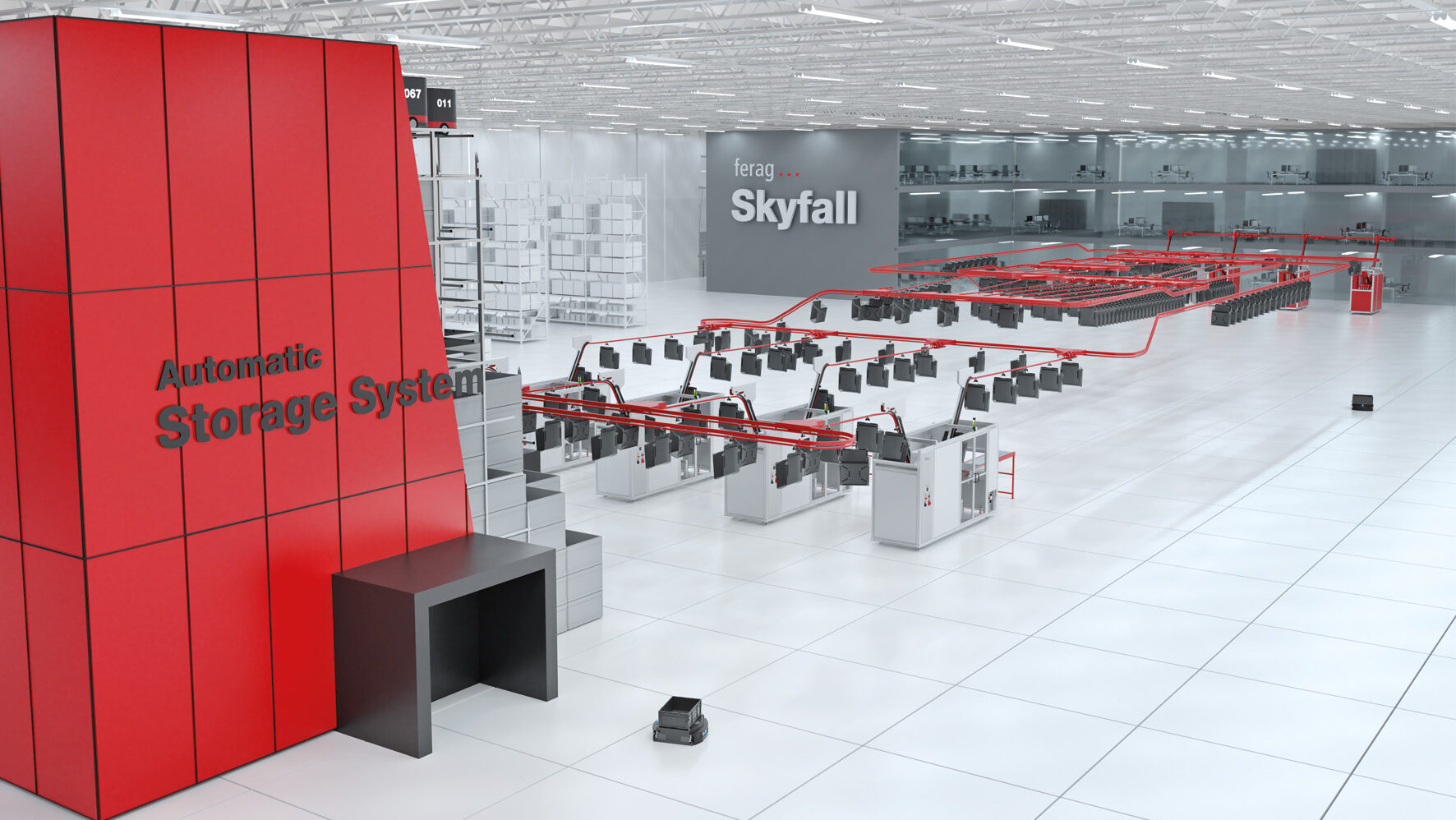
Ferag Solutions on the holistic approach to warehousing
Apr 22, 2026 at 2:32 PM
Descartes European Benchmark Survey 2025
Apr 22, 2026 at 4:31 PM
Blue Yonder has published the report „2026 Supply Chain Compass: Spotlight on Sustainability,“ which examines the perception and prioritization of sustainability initiatives among supply chain executives in North America and Europe. The survey included 678 executives from large companies with annual revenues exceeding $500 million. Given that supply chains are responsible for 60 percent of global CO₂ emissions, the survey reveals that sustainability is of high importance to many executives.
Active Efforts for Environmental Protection
According to the survey results, two-thirds (66 percent) of the executives surveyed are actively working to reduce the environmental impact of their supply chains. Nearly half (47 percent) of large companies have established dedicated sustainability teams. Furthermore, more than half (56 percent) believe that supply chain operators have a responsibility to address challenges such as inflation and climate change. However, only one in five supply chain executives expresses confidence in achieving their sustainability goals.
The survey indicates that many executives do not pursue sustainability goals in isolation but advance them through improvements in their operations. More than a quarter (26 percent) of respondents view data and traceability as critical measures to promote sustainability initiatives, while 33 percent consider forecasting technology an opportunity for sustainable developments.
Changes in Corporate Organization
The results also highlight a shift in corporate organization. Nearly half of the respondents (47 percent) report the establishment of dedicated sustainability teams, although sustainability is increasingly less frequently ranked as the top priority. Only 12 percent of executives still consider sustainability one of the three most important strategic priorities, compared to 24 percent the previous year. In a year where 68 percent of executives identify labor market and inflation as economic challenges, it is understandable that some priorities are shifting.
Role of Artificial Intelligence
The survey shows that supply chain executives predominantly associate artificial intelligence (AI) with operational benefits rather than sustainability goals. The three main operational advantages of AI mentioned are better planning and predictability (29 percent), improved risk management (26 percent), and faster decision-making (23 percent). Only 11 percent of respondents believe that AI can provide benefits for sustainability, while just 13 percent view improved traceability as one of the key advantages of AI implementation.
Saskia van Gendt, Chief Sustainability Officer at Blue Yonder, emphasizes: „Sustainability remains a priority, even in a year characterized by immediate business risks such as tariffs, disruptions, and inflation. Currently, efforts are primarily focused on improving efficiency and productivity and making faster and better decisions, which can lead to less waste, more sustainable operations, and cost savings.“
Expanding Sustainability Goals
A quarter (25 percent) of respondents indicate that current sustainability goals do not go far enough. Another 25 percent believe that the right sustainability initiatives will lead to fundamental changes in current processes. This underscores that executives recognize both the urgency of the challenges and the associated operational changes.
Technological Support for Sustainable Solutions
The report highlights that many companies are still working to implement their sustainability goals in practice. To improve reporting accuracy and optimize operational performance through unified insights, Blue Yonder has released several updates for its sustainability solutions. These include a logistics emissions calculator that optimizes data collection in logistics, as well as the integration of the „Sustainable Supply Chain Manager“ into demand and supply planning.
„Sustainable supply chains require a redesign of processes, which poses a challenge for every company,“ van Gendt added. „Technology can accelerate this transformation today by incorporating sustainability aspects into decision-making and supply chain optimization while ensuring greater adaptability, resilience, and endurance in the market.“
Download „2026 Supply Chain Compass: Spotlight on Sustainability“