
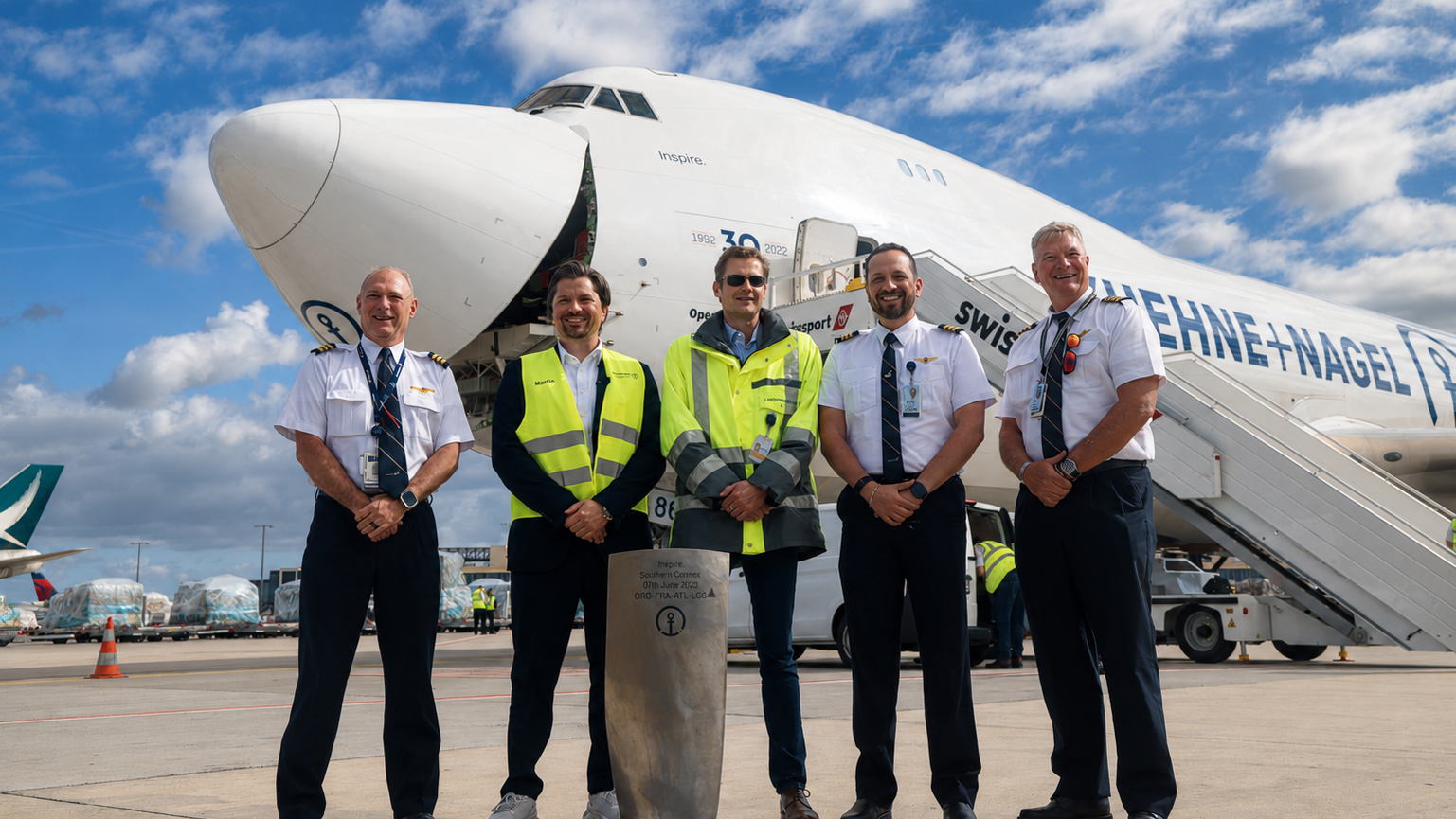
Kühne+Nagel expands air freight network in Frankfurt
Jun 9, 2026 at 8:43 AM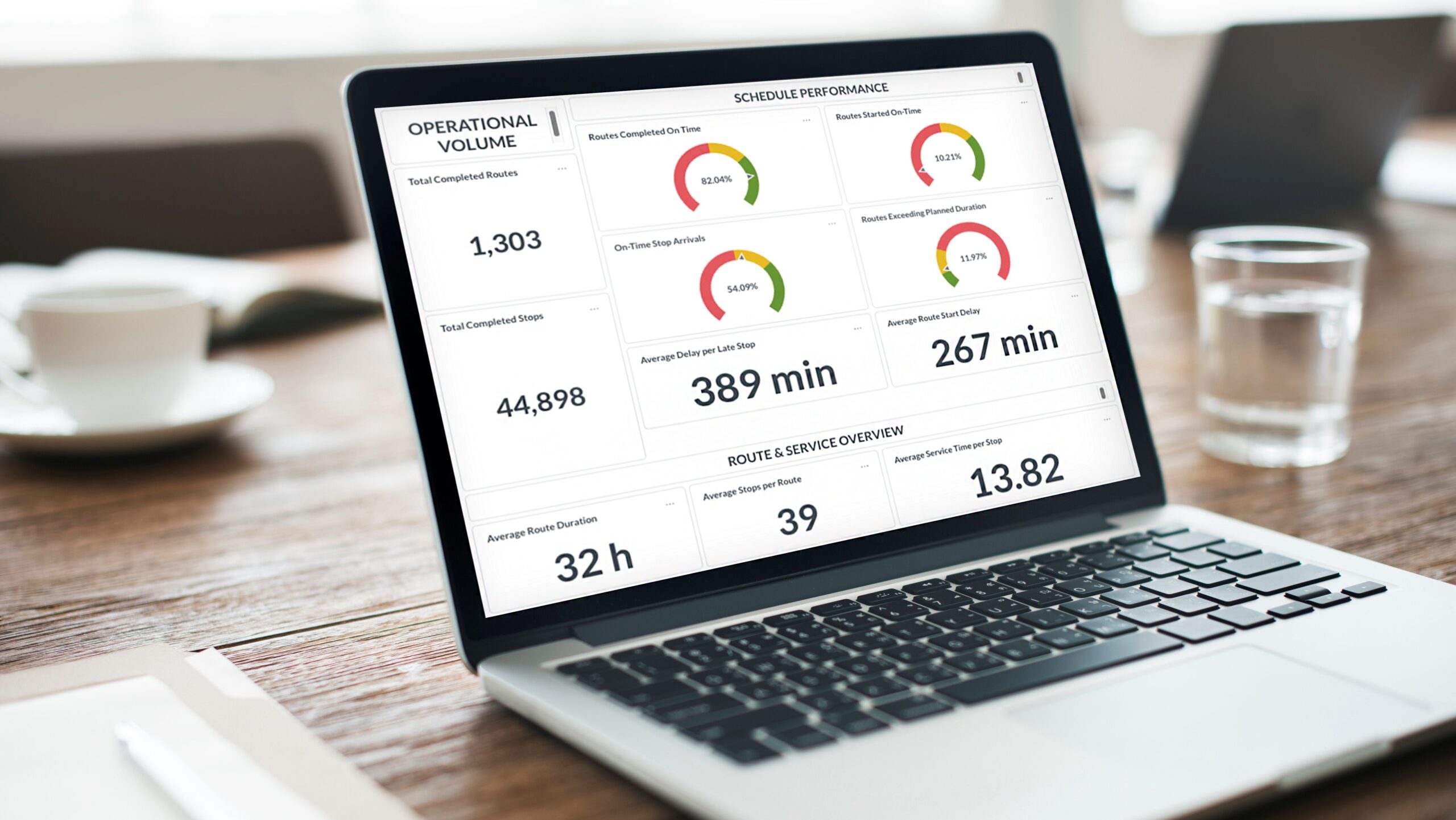
Descartes Systems Group launches AI platform for fleet optimization
Jun 9, 2026 at 9:01 AM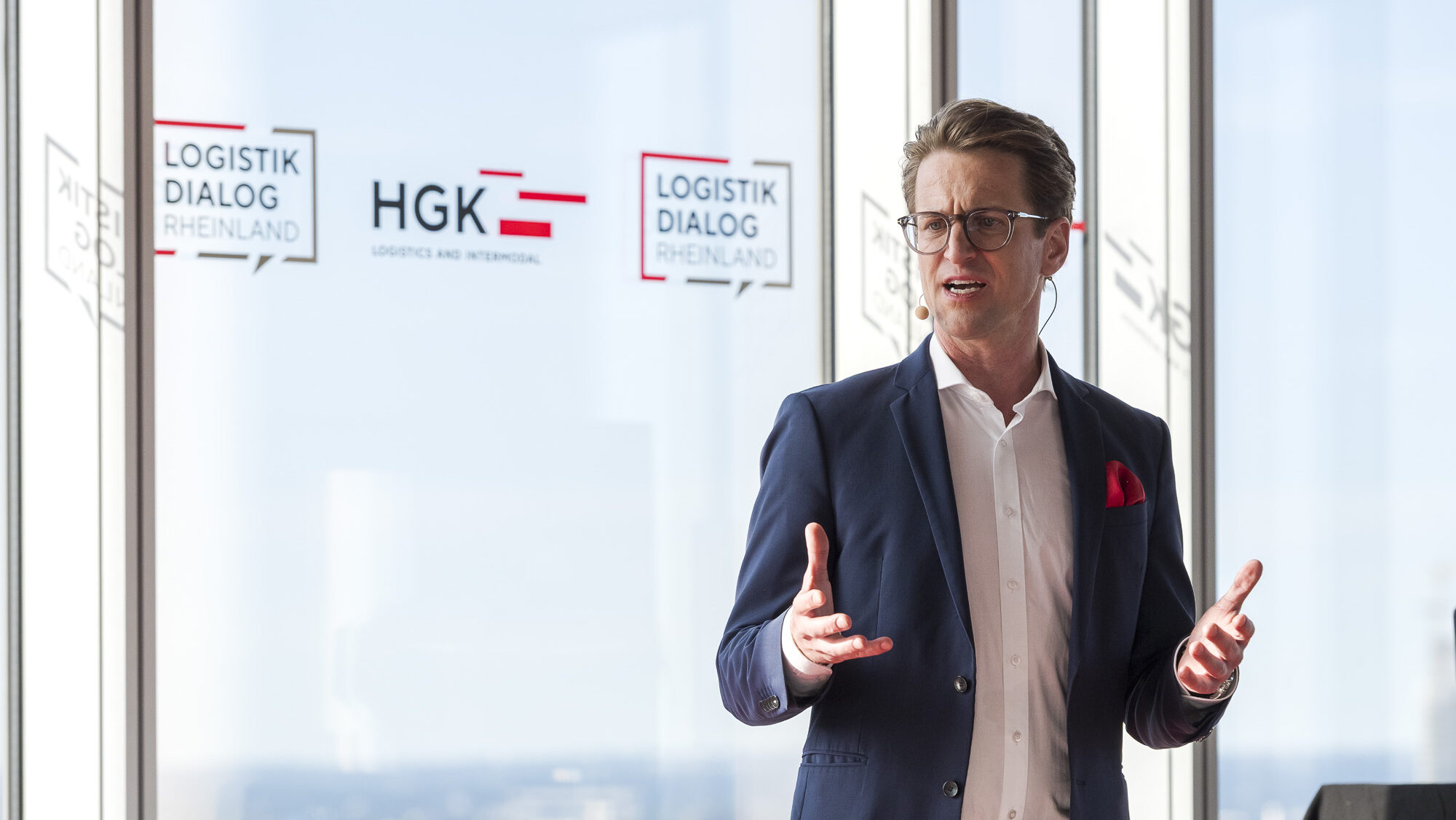
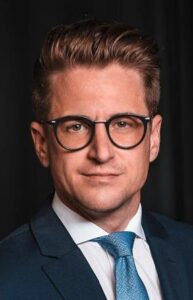
A Call from Markus Krämer, CEO of HGK Logistics and Intermodal GmbH
“The economy will be in a phase of profound restructuring in 2026, fundamentally questioning established value creation models. The decarbonization of industry is no longer an option but a regulatory and existential obligation. Supply chains are no longer evaluated solely based on the cost-per-unit principle; resilience and ecological footprint are the new currencies of success.
Amid these tectonic shifts, a core question arises for us decision-makers: What is the glue that holds the economic location of Germany together in times of global instability?
As a logistics professional, my answer is clear: It is the quality of our connections – both in thought and along the transport route. This does not refer solely to rail, road kilometers, or waterway capacities. I am talking about a strategic symbiosis between industry and logistics that must replace the old silo mentality. Those who still view logistics as a purely transactional service merely manage the status quo instead of actively shaping the future of value creation.
Logistics as Strategic Risk Management
Traditionally, logistics has been regarded as a “commodity” – an invisible process in the background that was expected to be silent and cost-effective. The “Just-in-Time” principle has maximized our efficiency but has also made us vulnerable. The crises of recent years have painfully highlighted that we need to rethink the architecture of our supply.
Here, we must be honest: Resilience initially requires conscious redundancy, leading to perceived inefficiencies. Strategically, however, this “intentional redundancy” will be a crucial competitive factor in the future. The classic pure efficiency logic of the past decades is increasingly reaching its limits in a fragmented world order.
In modern corporate governance, ensuring supply security must be of the highest priority. In industries such as chemicals, steel, and automotive, logistics has become a central component of risk management. Strong connections mean that we must be involved as logistics partners in the production planning phase. When companies diversify their raw material sources or bring production back to Europe, the logistical architecture must grow in sync. Therefore, we rely on intermodal flexibility. The ability to switch in real-time between ship, rail, and truck is not just a technical feature – it is the necessary operating system for industrial production in a volatile market environment.
Resilience Requires Transparency – and Radical Trust
True resilience does not arise from external protectionism or internal isolation. Protectionism inevitably leads to a dead end, where we would only be busy managing basic supply while others occupy new growth areas. The future requires intelligent networking instead of isolation.
If we understand resilience not just as protection but primarily as a growth opportunity, then logistics must be more than a cost item on the balance sheet. It is the enabler that creates real value through intelligent networking. What was once highly specialized logistics – seamless temperature control for pharmaceuticals or time-critical spare parts supply to avoid machine downtimes – will become the standard for breadth in a resilient economy.
The foundation for this is a digital interconnection of our processes. Knowledge of the operations in our customers‘ production facilities and real-time control of the goods flows in our network enable a reaction speed that determines market shares. If we succeed in breaking down silos and sharing data along the entire supply chain, a previously underestimated potential emerges through the targeted use of AI: the ability to not only manage uncertainties but to actively anticipate them.
However, such depth of cooperation requires radical trust. It is not a romantic ideal but a harsh economic necessity that we are willing to share data, jointly bear risks, and distribute innovation gains in partnership. This step represents a cultural break with the past, but it is the only way to address the complexity of the present.
NRW: The Power Center of Transformational Logistics
In this global competition, North Rhine-Westphalia plays a key role. NRW is the industrial heart of Europe and at the same time its logistical hub. At this intersection between the major seaports and continental markets, the future viability of the location Germany is determined.
However, geographical location alone is no longer a guarantee of success. We must position North Rhine-Westphalia as a “Safe Haven” for stable supply chains and new value creation models. This requires significant investments in a future-proof infrastructure and logistical networks. As the CEO of a company firmly rooted in the region, I see it as our duty to re-establish the connection between politics, industry, and logistics. We know that bridge closures and rail bottlenecks will not disappear overnight. However, we have the opportunity to compensate for these physical deficits through intelligent, cooperative management and to mitigate the consequences.
The Ecological Transformation: A Joint Project
Strong connections imply a shared ecological responsibility. When we talk about “Green Steel,” the transport route must not devalue the CO₂ balance. The transformation of transport modes – away from the road and towards water and rail – is a mammoth project that can only succeed through collaboration. It must also be (truly) politically desired. Sustainability is not a solo project. It requires flexibility on both sides: Industry must rethink its delivery rhythms to enable better reliability on rail and water in an economically sensible way.
Conclusion: From a Secondary Service Provider to a Strategic Ally
We stand at an epochal turning point. The old success recipes of globalization no longer apply. We are in an era where radical collaboration is indispensable. It is no longer enough to merely optimize existing processes. We must elevate logistics from a downstream auxiliary function to an integral part of industrial value creation.
The crucial question is therefore not whether the economy is changing, but how actively this change is being shaped. Those who invest today in infrastructure, logistics expertise, and international networking lay the foundation for new industrial settlements. Those who hesitate risk the long-term loss of economic substance. The industry of tomorrow will not disappear – it will only emerge where logistics, energy, and infrastructure are consistently considered together.
Strong connections are not an opportunity but a business decision. They are the nervous system of a modern, resilient economy. If we have the courage to break down the barriers between our companies, we secure more than just supply chains. Logistics will become even more integral to the value chain up to the end product and thus the physical manifestation of trust. In a societal context, we ensure the functioning of our daily coexistence. This strengthens the foundation of our economy and the trust in our institutions.
The time for hesitation is over. Let us together move from being driven by crises to becoming the architects of resilient value creation networks.”
Markus Krämer is the CEO of HGK Logistics and Intermodal based in Cologne. In this role, he is responsible for the strategic further development of multimodal logistics and intermodal solutions with a focus on rail freight transport, inland shipping, container logistics, and trimodal terminal structures. Previously, he held various leadership positions within the logistics and port industry.
His professional focus areas include strategy, corporate development, infrastructure, as well as sustainable and resilient supply chains. Krämer is also intensively engaged with topics such as combined transport, supply security, network logistics, and the role of intermodal corridors for industry and trade.