
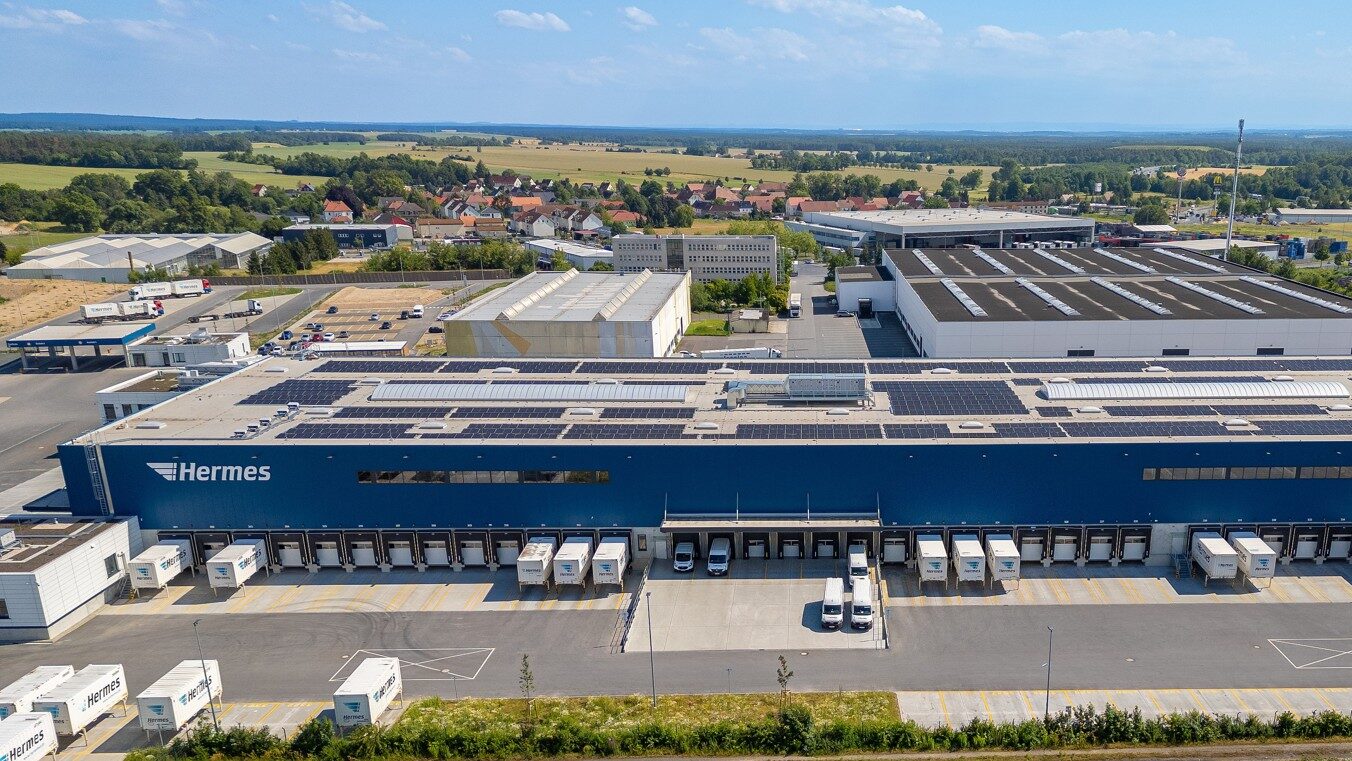
LIP Invest acquires logistics property in Thiendorf
Jan 29, 2026 at 3:02 PM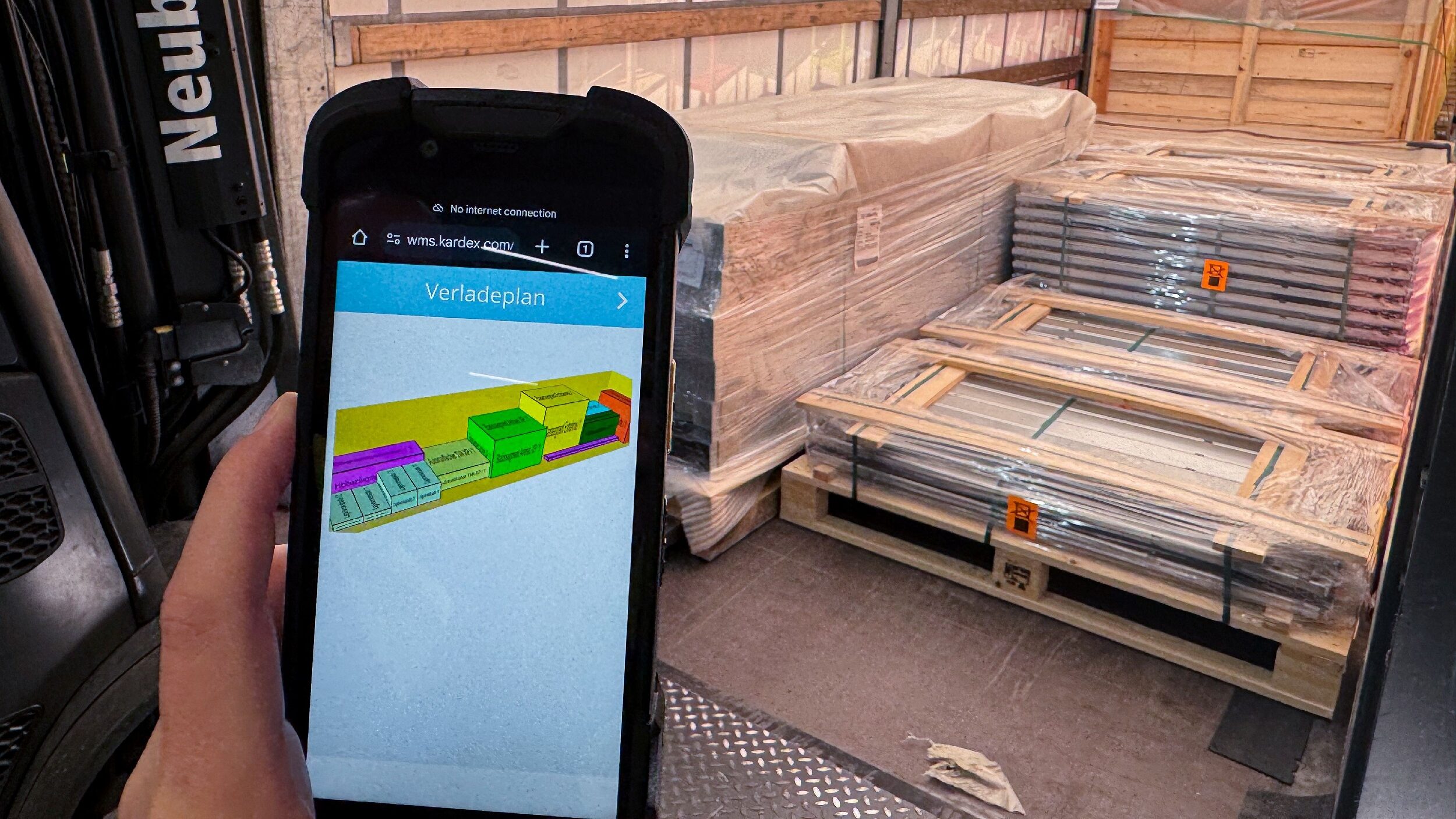
New warehouse by Kardex in Bellheim with WMS from LIT
Jan 29, 2026 at 3:34 PM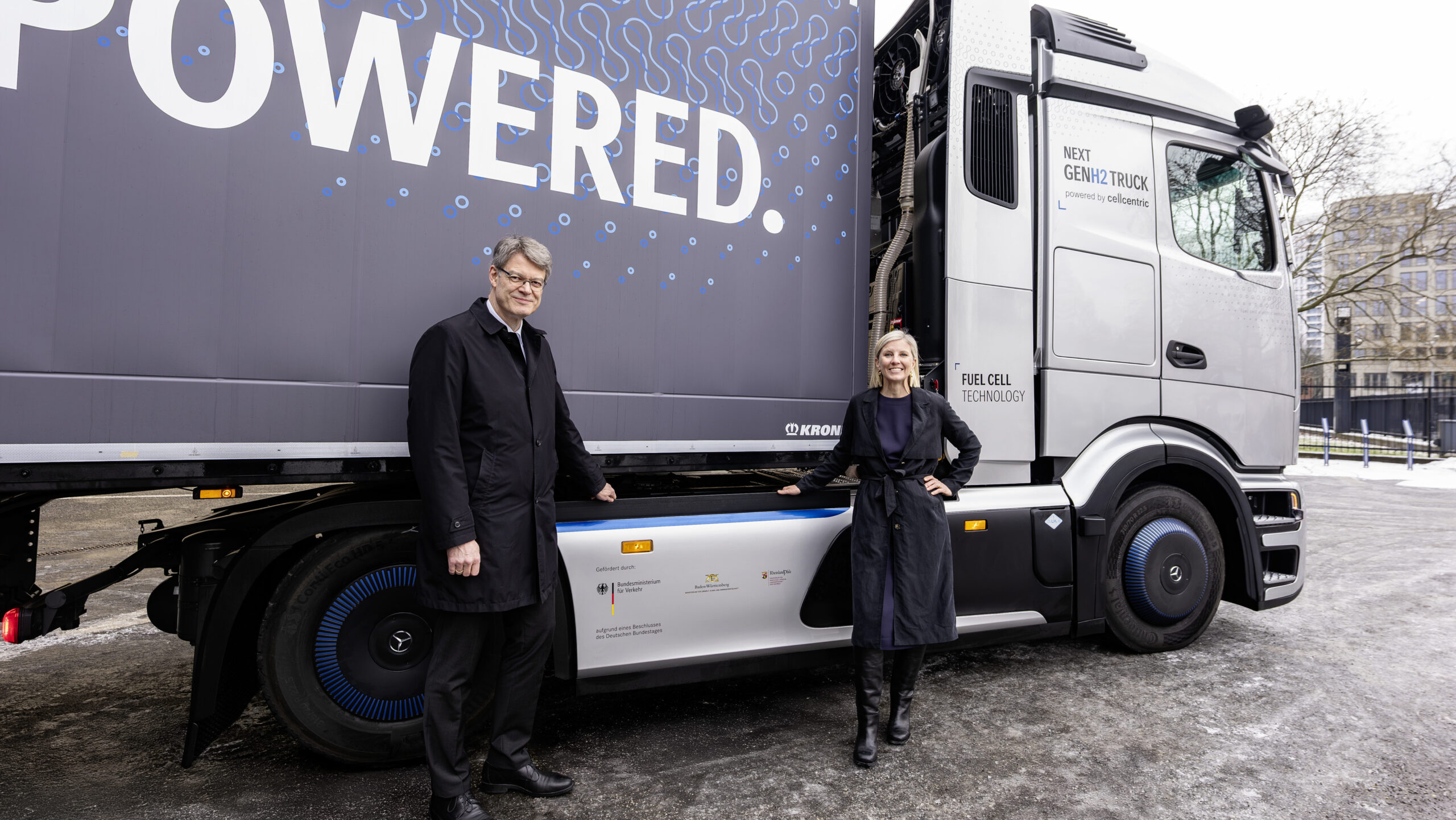
Daimler Truck CEO Karin Rådström met with Federal Minister of Transport Patrick Schnieder in Berlin on Tuesday to discuss the decarbonization of the transport sector. The exchange highlighted the necessity of close collaboration between industry and politics to quickly and successfully develop and scale technologies and infrastructures. During the meeting, the company presented the new Mercedes-Benz NextGenH2 Truck, which was developed with the support of funding from the Federal Ministry of Transport as well as the states of Rhineland-Palatinate and Baden-Württemberg.
Innovative Technology for Long-Distance Transport
The fuel cell truck uses liquid hydrogen and achieves ranges of over 1,000 kilometers at full load. This makes it particularly suitable for flexible and demanding long-distance transport. From the end of 2026, Daimler Truck plans to produce a small series of 100 vehicles at the production site in Wörth am Rhein in Rhineland-Palatinate, which will gradually be deployed to customers.
Daimler Truck emphasizes the importance of the commercial vehicle sector in achieving climate goals. To promote the market ramp-up of green drive technologies, a coordinated regulatory environment is required that links CO₂ targets with the expansion of charging and hydrogen infrastructures. Political measures should ensure that companies can operate new vehicles economically, similar to conventional models. An example of this is the extension of the toll exemption for zero-emission trucks until mid-2031 in Germany, which provides companies with planning security and keeps the transition to zero-emission trucks attractive.
Strategic Opportunities for Europe
Regarding fuel cell and hydrogen technologies, Daimler Truck sees Germany and Europe at a strategically important point. An already well-developed fuel cell industry with numerous small and medium-sized suppliers forms the basis for a technological leadership role. This could reduce dependence on Asian suppliers and strengthen European value creation. In the field of electrolysis, Europe is also well-positioned with significant large-scale projects, and several major hydrogen companies are based in the region.
Moreover, Germany is among the key locations in the future field of liquefaction technology. These developments offer the opportunity to open up new markets along the entire value chain, create jobs, and reduce geopolitical risks. However, a clear political framework is necessary to promote investments and ensure planning and market security to maintain the European lead.