

New warehouse by Kardex in Bellheim with WMS from LIT
Jan 29, 2026 at 3:34 PM
LogiMAT 2026 under the sign of AI-driven material flows
Jan 30, 2026 at 10:10 AM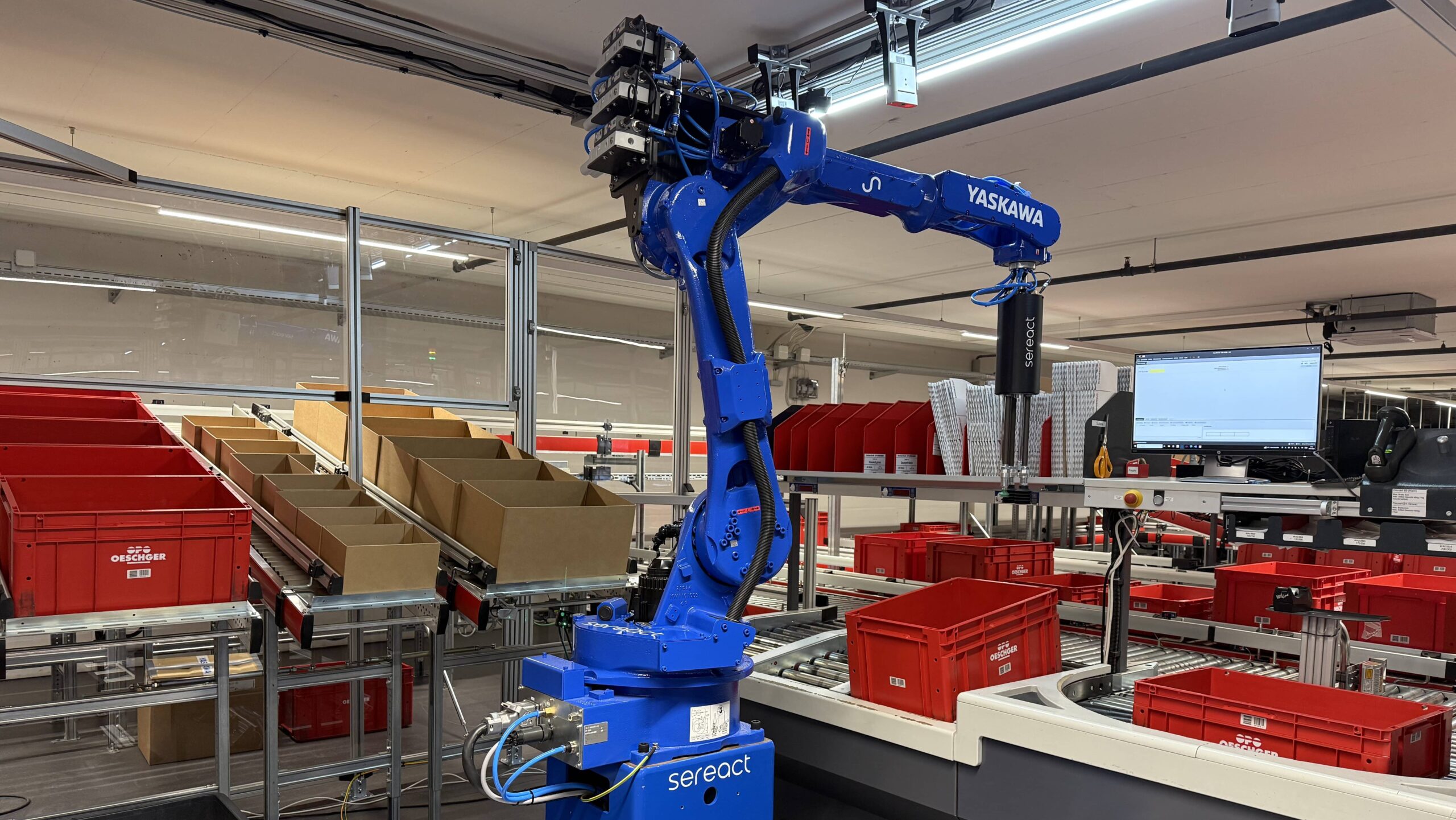
The logistics industry will face fundamental changes in 2026 that will significantly impact its processes and structures. The B2B communications agency additiv has identified key trends that will gain importance in the coming years. These include the use of Artificial Intelligence (AI), digital regulation, mobile robotics, and an increased focus on sustainability.
Digital Standards through eFTI
A crucial aspect of digital transformation in logistics is the regulation on electronic freight transport information (eFTI) introduced by the EU. This regulation creates a binding framework for the digital exchange of transport information. From August 2024, central provisions will gradually come into effect, mandating the acceptance of electronic freight information by authorities by July 2027. While usage remains voluntary for companies, the pressure to implement digital and interoperable systems to enhance the efficiency of controls is increasing.
The Open Logistics Foundation (OLF) promotes the development of an open technical framework for logistics as a cross-industry initiative. The goal is to standardize platforms, data models, and interfaces across the EU. By using collaboratively developed open-source components, the development of compatible eFTI platforms is intended to be facilitated. Projects such as the development of a digital consignment note (eCMR) illustrate how such standards can emerge in practice.

© Open Logistics Foundation
Artificial Intelligence in Operational Daily Life
Alongside regulation, AI technologies are gaining significance in the operational daily life of logistics. The WMS provider Logistics Reply demonstrates this with its GaliLEA Dynamic Intelligence solution, which enables the creation of AI agents that analyze process data and support decision-making in warehouse operations. These agents can be configured without programming effort and are capable of representing complex logics. This allows companies to detect productivity declines early and optimize time-consuming processes.
Another example of AI usage is the PSIwms AI solution from the WMS specialist PSI. This integrates digital twins into the Warehouse Management System and enables real-time analyses and simulations. Changes in the physical warehouse are immediately reflected in the digital model, resulting in a continuous update of the information base.
Advancements in Robotics
In the field of robotics, a new maturity phase will be reached in 2026. Automated systems are increasingly controlled by AI models capable of interpreting situations independently. The Stuttgart-based startup Sereact demonstrates this with its Vision-Language-Action model Cortex, which enables robots to pick new products without programming effort. This reduces integration effort and increases process stability.
Additionally, mobile robotics is gaining importance, particularly in fulfillment zones where traditional automation reaches its limits. The provider SAFELOG develops mobile robotic systems that operate in agent-based swarm architectures and can be flexibly integrated into existing layouts.
Sustainability in Logistics
Another central aspect is sustainability, which is increasingly viewed as a performance factor for transport chains. Alternative energy sources and e-fuels are gaining strategic importance. The pilot project Haru Oni in Chile, which uses renewable energy to produce synthetic fuel, demonstrates how industry and logistics can collaborate more closely. BOGE provides key technologies for the storage and compression of CO₂, supporting the development of climate-friendly transport chains.
Flexible Control in Heterogeneous Fleets
The way in which internal transports are managed is also changing. The increasing heterogeneity of autonomous robots and manual vehicles requires flexible software architectures. SYNAOS offers a solution with its Intralogistics Platform that unites manual and autonomous transport means in one system. Orders are distributed in real-time based on capabilities and availability, allowing for dynamic adjustments to changing conditions.
Conclusion: A Year of System Decisions
Overall, 2026 will be a year in which various developments in logistics will interact. The introduction of digital standards, the use of AI, advancements in robotics, and the focus on sustainability will significantly shape the industry. Companies that link these elements early on can create structures that promote both efficiency and resilience as well as sustainability.