

Only 18 Percent of Logistics Properties Equipped with Solar Systems
Mar 27, 2025 at 7:58 PM
Safe Green Logistics Launches Vertical Container Transfer System
Mar 27, 2025 at 8:58 PM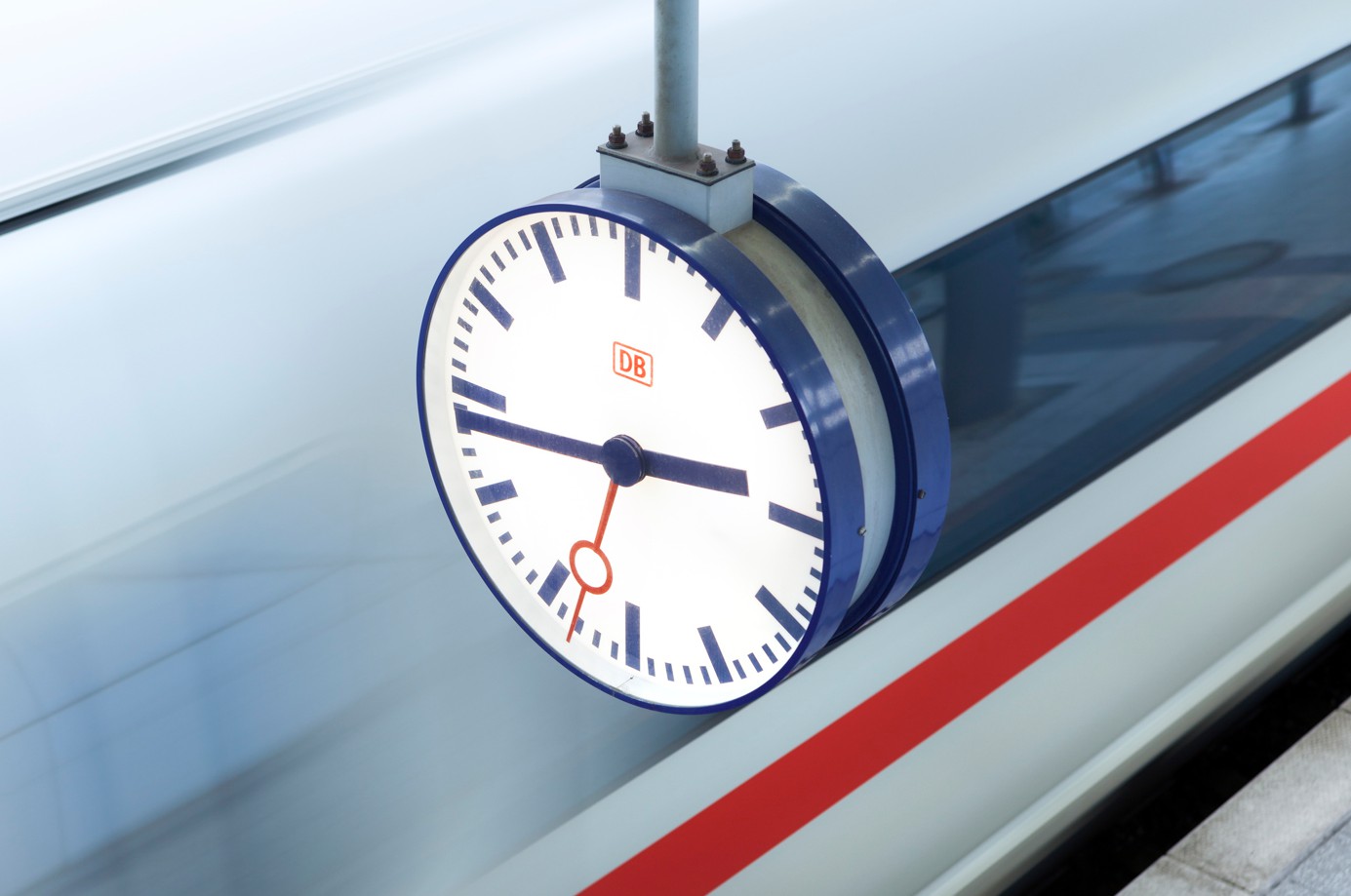
The Deutsche Bahn has presented its annual results for 2024, showing a smaller loss than in 2023. The standout event of the year is the sale of DB Schenker to the Danish logistics company DSV. The company also parted ways with Arriva. However, DB Cargo remains a concern, recording a loss of 357 million euros and transporting 9% less freight than the previous year. From this perspective, Loginfo24 highlights the sale of DB Schenker and its implications for DB Cargo as an excerpt from the annual report.
(Berlin) DB Cargo continues to be a challenge for Deutsche Bahn. In 2024, DB Cargo transported around 180 million tons of freight, representing a 9% decline compared to the previous year. Despite cost savings, the operating result improved significantly but remained negative at a loss of 357 million euros. The EU Commission demands that DB Cargo becomes profitable by the end of 2026.
DB Schenker – Sale and Implications
- In September 2024, the logistics subsidiary DB Schenker was sold to the Danish logistics giant DSV for 14.3 billion euros.
- The sale was part of Deutsche Bahn’s strategic realignment to focus on its core business of rail in Germany and Europe.
- Background: DB Schenker was one of the most profitable business areas of the DB Group. The sale was made for financial reasons and due to growing political and antitrust concerns about whether a state-owned company should operate a globally active freight forwarder.
Financial Implications:
- Deutsche Bahn expects a significant reduction in debt from the sale. As of the end of 2024, the debt stood at around 30 billion euros – the proceeds from the sale are primarily intended for debt reduction.
- A portion of the sale proceeds will initially be tied up (e.g., for taxes, transaction costs, and pension provisions), but the net proceeds are expected to be in the double-digit billion range.
Noticeable Effects:
- In the short term, the impact on the operational operations of the railway is minimal, as DB Schenker was already largely operating independently.
- In the long term, the loss of solid profits from DB Schenker will increase pressure on the loss-making areas such as DB Cargo.
- At the same time, however, the railway is gaining financial leeway to make urgently needed investments in the rail network, digitalization, and punctuality.
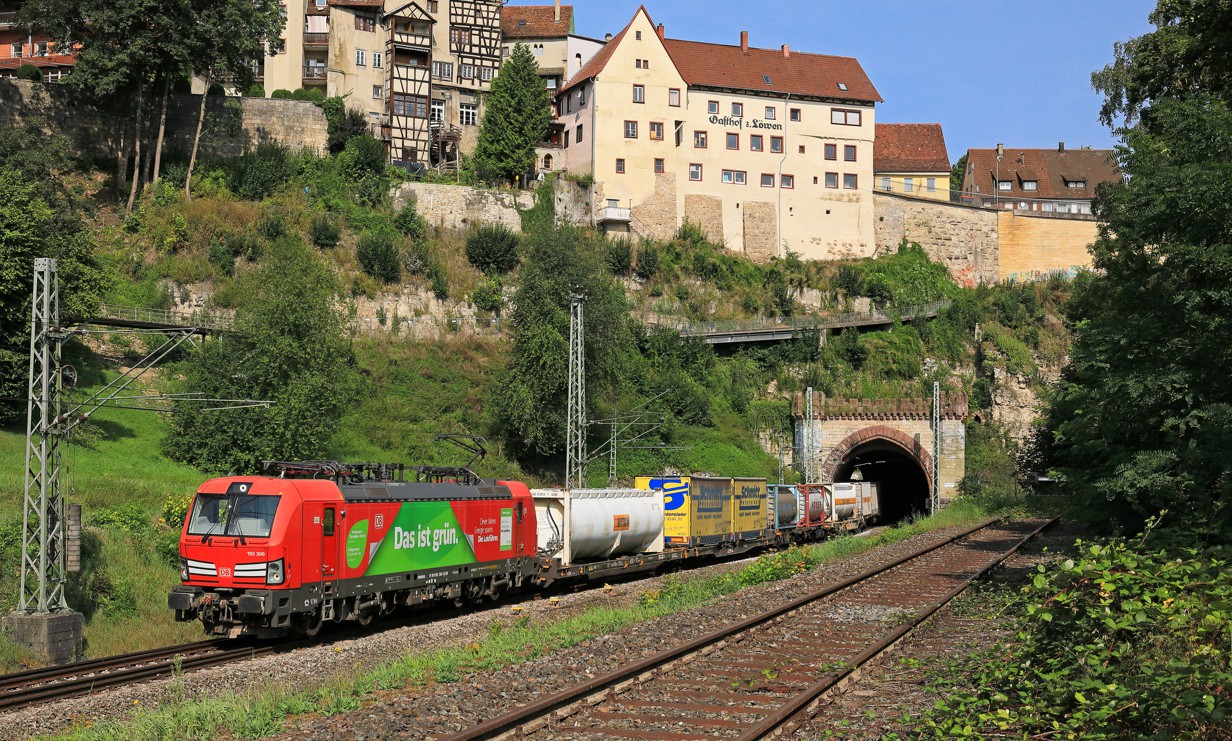 Freight Transport (DB Cargo)
Economic Development:
- DB Cargo again recorded a high deficit. The adjusted EBIT in 2024 was -357 million euros – slightly better than the previous year, but still deep in the red.
- The volume of goods transported fell to around 180 million tons, representing a 9% decline. Contributing factors include the economic slowdown, rising energy prices, and a declining industrial output in Europe.
- Utilization and efficiency in operations improved slightly but remained below plan.
Challenges:
- The EU Commission has set clear expectations: DB Cargo must become profitable by 2026. Otherwise, cuts or structural changes are imminent.
- Freight transport by rail suffers from competitive disadvantages compared to road transport (e.g., higher track prices, less flexibility).
Measures:
- DB Cargo aims to continue digitalization, increase the degree of automation, and strengthen intermodal transport (e.g., rail-sea or rail-road).
- Restructuring and a focus on more lucrative routes and customers are on the agenda.
Overall Assessment and Outlook
- The sale of DB Schenker was strategically sensible to reduce debt and realign focus. Nevertheless, DB loses a stable profit generator, which must intensify efforts in other business areas.
- In freight transport, there remains significant political and economic pressure to strengthen the railway as a sustainable alternative to truck transport – currently, this is only partially successful.
- The year 2024 was still deficit-ridden from DB’s perspective, although losses have significantly decreased compared to the previous year (2023: around -2.1 billion EUR) (2024: adjusted EBIT: -333 million EUR).
- The coming years will be crucial: Will DB succeed in transforming into a modern, climate-friendly rail infrastructure, or will it fail due to internal deficits and political conflicts of interest?
Download the DB Annual Report 2024
Photos: © Deutsche Bahn